
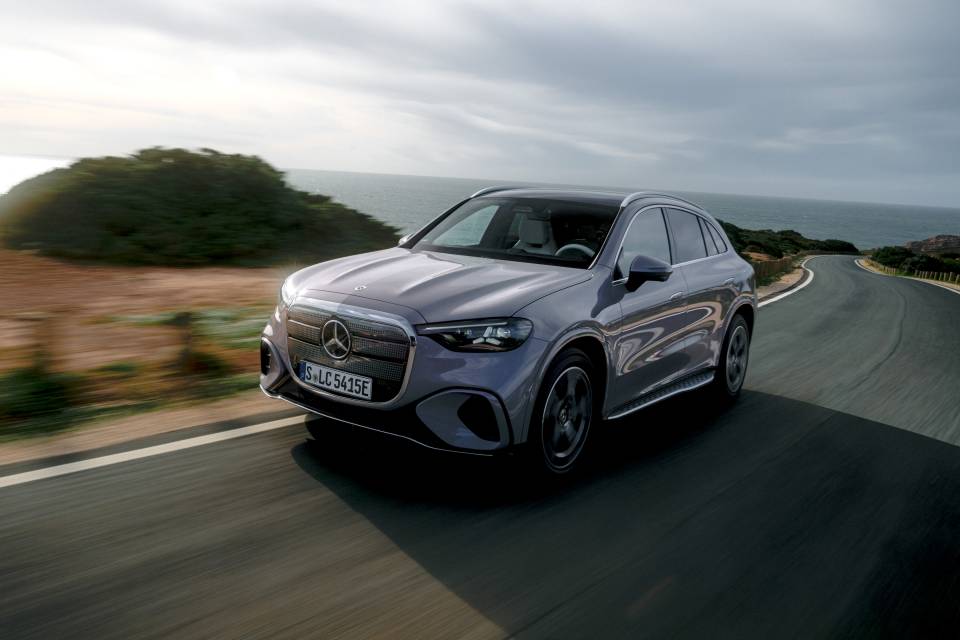
A HEPA cabin filter traps far more fine particles than a standard pollen filter. Mercedes’s EQS HEPA filter removes over 99.65 percent of particles, while conventional filters vary widely, with reported efficiencies from 20 to 90 percent across vehicles. A filter’s job also depends on its layers: a particle filter does little for gases such as nitrogen dioxide, which need activated carbon. For Indian cities with heavy winter pollution, a HEPA-type filter with carbon is worth having if your car offers it. If not, a fresh OEM carbon filter, changed on time, gets you much of the way there.
What each filter does
| Standard pollen filter | Activated carbon filter | HEPA filter (with carbon, Mercedes EQS) | |
| Stops pollen and dust | Yes | Yes | Yes |
| Stops fine PM2.5 | Partly, varies by car | Partly, varies by car | Very well |
| Removes gases and odours | Little | Yes | Yes, through the carbon layer |
| Size and airflow needs | Fits ordinary housing | Fits ordinary housing | Needs a larger system |
| Typical fitment | Mainstream and many premium cars | Common upgrade | Flagship option |
What makes a filter a true HEPA filter?
HEPA means High-Efficiency Particulate Air, and it’s a tested performance class, not a marketing word. Mercedes tests its EQS filter to DIN EN 1822 and quotes over 99.65 percent of particles, down from PM 2.5 to PM 0.3.
Size is the giveaway. That filter measures 596 x 412 x 40mm, with a volume of almost ten litres, and it holds about 600g of activated charcoal. It’s much bigger than the slim panel in a typical glovebox housing, because it has to pass enough air through a dense medium without choking the fan. That’s why a “HEPA” filter for an ordinary car’s slot needs a sceptical look. A dense filter squeezed into a small housing could reduce airflow, and we’d want the seller’s test data before believing the claim.
Standard filters: better than you think, worse than you hope
The word “standard” covers a lot. The Star’s review of cabin-air research says reported filter efficiencies range from 20 to 90 percent across vehicles, and conventional filters are weakest against the smallest particles. Still, a new standard filter does useful work. A University of Birmingham-linked study of 10 cars found correct ventilation settings could cut in-cabin PM2.5 by up to 80 percent compared with outside air. It also found standard pollen and activated carbon filters performed similarly on particles.
So for particles alone, a good standard filter in a well-used system isn’t useless. The trouble starts when it’s old. A Chalmers simulation reported a 55 percent PM2.5 reduction with a new filter, against 39 percent with an aged one.
Where activated carbon wins
Pollution isn’t only particles. In a 10-car University of Birmingham study published in 2023:
- Carbon filters cut in-cabin nitrogen dioxide by up to 90 percent compared with outside levels.
- With windows closed and air recirculating, carbon filters lowered NO2 by an average of 14.3 times compared with windows open.
- Standard pollen filters made little difference to NO2.
The Star adds that a high-efficiency filter in a Los Angeles taxi study did little for gases. That’s a point worth making clearly: particle efficiency and gas removal are different jobs. If you sit in diesel-heavy traffic, a filter with no carbon misses much of what you can smell.
HEPA vs standard: what’s the real-world gain?
There’s limited independent data from Indian conditions, and that’s a gap worth stating. The closest real-world number is the Los Angeles study of 17 taxis: closed windows and a high-efficiency filter cut PM2.5 by 37 percent, while closed windows with the original filter showed no significant change. That’s a long way from 99.65 percent, because no cabin is fully sealed, doors open, and air leaks in. Volvo’s approach shows the same reality, with up to 95 percent PM2.5 blocked on incoming air, not a guarantee for the whole cabin.
Our view: the filter’s lab figure is the ceiling. Your habits set how close you get.
What should you do?
Buying new. If you spend long hours in NCR traffic, tick the air quality option where it’s offered, and confirm India-spec fitment. Ask specifically whether the filter has a carbon layer. See our cabin air purification guide for how the full systems differ.
Own a car with a standard filter. Don’t chase a generic “HEPA” part online. Our first choice is a fresh OEM filter with carbon, if one exists for your model, fitted on schedule or sooner in a bad winter. You’ll keep the right airflow and fit.
Worried about warranty. Use the correct part for your car, and have an authorised workshop fit it.
Rear-seat passengers and children. Pre-entry cleaning and closed windows help most at the start of a trip. Don’t rely on a plug-in gadget, since many haven’t been independently tested in cars. We couldn’t find reliable data on them from an allowed source.
Pre-owned cars. Filters are cheap relative to the car and easy to overlook. When you buy from Motozite’s pre-owned listings, ask when the filter was replaced, and if there’s no record, change it.
How often should you replace a cabin filter?
Your service schedule is the starting point, but it’s written for average conditions. The University of Birmingham researchers also say carbon filters lose effectiveness over time. In Delhi-NCR or similar pollution, have the filter inspected before winter starts. If it looks black or the airflow has dropped, change it. We couldn’t find a published Indian interval from a carmaker, so treat your workshop’s guidance as the benchmark.
Our verdict
If you can choose, buy a HEPA system with carbon. It’s one of the few luxury features with a real health argument in Indian cities. If you can’t, a new carbon filter and sensible use of the climate controls beat an old filter in a fancier car every time.
FAQ: HEPA vs standard cabin filters
Is a HEPA filter better than a standard cabin filter?
For fine particles, yes. Mercedes’s HEPA filter on the EQS removes over 99.65 percent of particles under DIN EN 1822, while standard filters vary widely, from 20 to 90 percent across vehicles in reported tests. Gases need an activated carbon layer as well.
Does a cabin filter remove PM2.5?
Yes, to varying degrees. High-efficiency filters do it best, and conventional filters are weakest on the smallest particles. In a Los Angeles taxi study, closed windows with a high-efficiency filter cut in-cabin PM2.5 by 37 percent. Filter age and open windows reduce the benefit.
Can I fit a HEPA filter in any car?
Be careful. True HEPA systems need a larger filter and enough fan power. The Mercedes EQS filter holds almost ten litres. A dense filter in an ordinary housing could reduce airflow, so ask for test data and use a part approved for your car.
What is the difference between a carbon filter and a HEPA filter?
HEPA is about trapping particles. Activated carbon is about adsorbing gases and odours, such as nitrogen dioxide. Good systems use both. A University of Birmingham study found carbon filters cut in-cabin NO2 by up to 90 percent, while pollen filters did little.
Are cabin filters worth upgrading in India?
Yes, if you’re moving to a correct OEM carbon filter or you’re keeping up with replacement. For drivers in heavy traffic, a carbon layer helps with fumes and odours. Avoid unknown “HEPA” parts that don’t quote test data or fit your car.
How often should I change my car’s cabin filter in Delhi?
Follow the service schedule as a minimum, and have it checked before winter. If the filter looks dirty or airflow has dropped, change it. A Chalmers simulation showed that an aged filter performed noticeably worse than a new one.
