
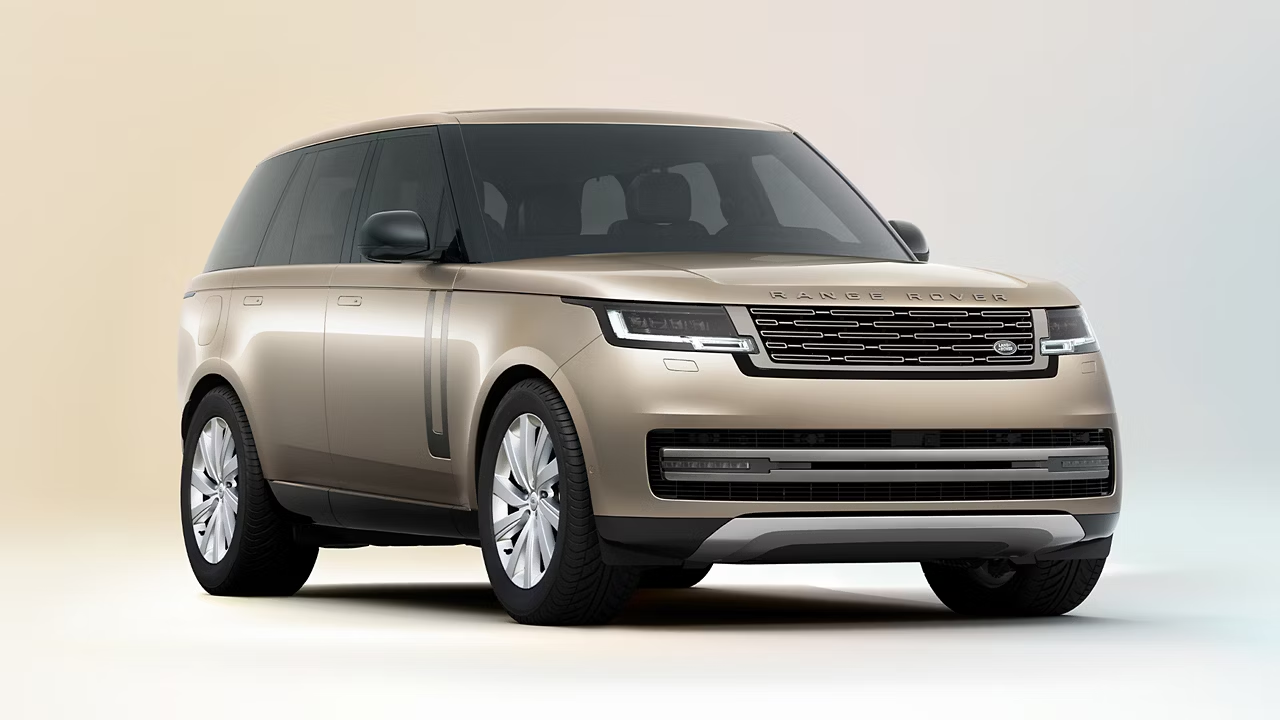
Active noise cancellation (ANC) in a car works like noise-cancelling headphones. Microphones and vibration sensors detect unwanted sound, a processor calculates an opposite sound wave, and the car’s speakers play it so the two cancel out. It is best at low-frequency noise: engine boom, drivetrain drone and the rumble of tyres on a rough road. That makes it the other half of a quiet cabin, since acoustic glass mainly deals with higher-pitched wind noise. The newest systems, such as the noise-cancelling headrests in the current Range Rover sold in India, create a personal quiet zone around each occupant.
How active noise cancellation works in a car
Every sound is a pressure wave. If you play a second wave that is the exact mirror image of the first, peaks meet troughs and the two largely cancel. Hyundai describes its system this way: it emits sound waves inverted relative to the incoming noise.
In a car, that takes three parts:
- Sensors. Microphones in the cabin hear the noise. Newer systems add accelerometers on the body or suspension, which feel the vibration that will become noise a fraction of a second before you hear it.
- A processor. It calculates the cancelling signal in real time. Hyundai says its system does this in about 0.002 seconds, including signal transfer.
- Speakers. The car’s audio system plays the cancelling sound. Microphones then measure what’s left so the system keeps adjusting.
Bose’s QuietComfort Road Noise Control, announced in January 2019, follows exactly this pattern: accelerometers on the body measure vibration, software computes the cancelling signal, it plays through the existing speakers, and cabin microphones check the leftover noise so the system can adapt to different surfaces and to the car ageing.
Engine noise vs road noise: two very different problems
The first car ANC systems targeted engine noise, and for a good reason. Engine noise is predictable. It rises and falls with engine speed, so a system that knows the revs knows roughly what to cancel. Autocar India notes that early systems handled narrow frequency bands like this well, while random noise from the road and wind was much harder.
Lexus is a good example of the engine-focused approach. On the LC Convertible, Lexus says ANC plays anti-pulse sound through the speakers to cancel low-frequency booming from the engine and drivetrain. It even moved the microphone from the roof to the driver’s headrest, closer to the driver’s ear, so it picks up a wider range of frequencies.
Road noise is the harder job, because every surface is different and the noise changes constantly. That needs sensors that predict the noise rather than just react to it. Hyundai called its Road Noise Active Noise Control (RANC), announced in November 2019, the world’s first system of its kind, with separate control for the driver’s seat, front passenger seat and rear seats.
What ANC can and can’t cancel
| Noise source | Typical frequency | Best handled by |
| Engine and drivetrain boom | Low | ANC (the original use) |
| Tyre cavity noise | Around 200 Hz, per ZF | Road-noise ANC, ZF’s damper-based system |
| Road rumble | Low to mid | Broadband road-noise ANC, 20 Hz to 1 kHz in Silentium’s system |
| Wind rush, tyre hiss | Mid to high | Acoustic glass, seals and aerodynamics |
| Emergency sirens | 360 Hz to 630 Hz | Not meant to be cancelled |
The pattern is clear. ANC covers the low end, where passive insulation would need heavy material to have any effect. Acoustic glass and seals cover the high end, which is where a speaker struggles to cancel noise across a whole cabin. We go through the glass side in our companion piece on acoustic glass in luxury cars. A truly quiet luxury car uses both.
How much quieter does ANC make a car?
Less than you might expect in numbers, more than you’d expect in feel. Hyundai says its RANC cuts in-cabin noise by 3 dB, which it describes as roughly half the noise level without it. ZF says its tyre-noise system also achieves 3 dB today, which Autocar India calls clearly audible, with ZF suggesting a figure approaching 10 dB may be possible in future.
Land Rover took a different line on the current Range Rover. It says engineering improvements cut noise transmission by 24 percent before any active technology is added, with ANC then working on top of that. That’s the right order of priorities, in our view. ANC isn’t a fix for a poorly insulated car. It’s the final layer on a car that’s already quiet.
There’s a weight benefit, too. Autocar India notes that ANC can reduce a car’s weight by cancelling noise that would otherwise need heavy damping material, and Hyundai makes the same point about its microphones and controllers replacing heavier dampers.
Luxury cars with active noise cancellation in India
The clearest India example comes from Land Rover. When it opened bookings for the new Range Rover in India in January 2022, at ₹231.91 lakh ex-showroom, Land Rover India described a third-generation Active Noise Cancellation system that monitors vibration and engine sounds and plays cancelling signals through the speakers. It is standard on cars with the Meridian Signature Sound System. Each of the four main seats has a pair of 60 mm speakers in the headrest, creating a personal quiet zone that Land Rover compares to high-end headphones.
Globally, the technology is spreading:
| Brand | System | What it does | Source |
| Range Rover | Third-generation ANC with headrest speakers | Engine and road noise, personal quiet zones | Land Rover India |
| Jaguar F-Pace, XF, Range Rover Velar | Silentium Active Acoustics | Broadband road noise | Autocar India |
| Lexus LC | Active Noise Control | Low-frequency engine and drivetrain boom | Lexus Europe |
| Genesis (Hyundai group) | RANC | Road noise, three seat zones | Hyundai, via Autocar India |
Equipment varies by model, year and market. Global press releases don’t always reflect India-spec cars, so ask the dealer to confirm whether the variant you’re looking at has ANC and, if so, whether it covers engine noise only or road noise as well.
ANC vs sound enhancement: don’t confuse the two
Some luxury cars also add sound. BMW’s IconicSounds Electric, developed with composer Hans Zimmer for the i7, creates drive sounds whose intensity and pitch follow the accelerator and driving conditions, BMW says. Lexus tunes the LC’s engine note to grow more urgent as you accelerate and to stay subdued when cruising.
These are about character, not quietness. They use the same speakers and similar processing, which is why the two get mixed up. If your priority is a calm cabin, ask specifically about noise cancellation, and treat sound design as a separate taste question.
Where this is heading is more interesting. Autocar India reported that Silentium’s system can create a quiet bubble about 330 mm across around each occupant’s head, and that personalised audio heard only by one passenger was expected to follow. The Range Rover’s headrest speakers are an early production version of that idea.
Is active noise cancellation worth it?
On a large petrol or diesel SUV used mostly in the city, ANC is a nice extra, but it won’t transform the car. On an EV, or on any luxury car that spends hours on highways and broken surfaces, we think road-noise ANC is one of the most useful comfort features you can get. With no engine to mask it, tyre and road noise becomes the main sound in an electric cabin, and it’s exactly the low-frequency noise ANC handles best.
The way to judge it is on the test drive. Drive the car over the roughest surface on your daily route, at the speed you usually travel, with the audio off. That tells you more than any spec sheet.
Buying a pre-owned luxury car with ANC
Because ANC uses the car’s own speakers and microphones, changes to the audio system matter. When you browse pre-owned luxury cars on Motozite, ask the seller whether the factory audio, headrests or speakers have been replaced or modified. If they have, ask an authorised workshop whether the noise cancellation still works as designed. On the test drive, a car with ANC should feel noticeably free of low-frequency drone; if it booms on rough roads, that is worth a question.
FAQ: active noise cancellation in luxury cars
What is active noise cancellation in a car?
It is a system that uses microphones, and often vibration sensors, to detect unwanted noise, then plays an opposite sound wave through the car’s speakers to cancel it. It works like noise-cancelling headphones, but for the whole cabin or individual seats.
Does active noise cancellation in cars actually work?
Yes, mainly on low-frequency noise. Hyundai says its road-noise system cuts cabin noise by 3 dB, roughly half the noise level, and ZF reports a similar 3 dB from its tyre-noise system. It works best on engine boom and road rumble, and less on high-pitched wind noise.
Which luxury cars in India have active noise cancellation?
The current Range Rover is a clear example. Land Rover India says its third-generation ANC is standard with the Meridian Signature Sound System and uses headrest speakers for each of the four main seats. Equipment varies by model and variant, so confirm with the dealer.
Can active noise cancellation block sirens and horns?
Car ANC systems are designed to target specific noise, such as engine boom and road rumble, not all outside sound. Autocar India reports that Silentium’s system can even emphasise sounds drivers should notice, such as external sirens. Emergency vehicle sirens are also largely outside the range acoustic glass reduces.
Is car ANC the same as fake engine sound?
No. ANC removes unwanted noise. Sound enhancement, such as BMW’s IconicSounds Electric on the i7, adds sound to give the car character. Both use the speakers, which is why they are often confused.
Does active noise cancellation matter more in electric cars?
Yes. Without an engine to mask it, road and tyre noise becomes the most noticeable sound in an EV. Road-noise cancellation targets exactly that low-frequency noise, so it adds more to an electric luxury car than to a petrol one.
