
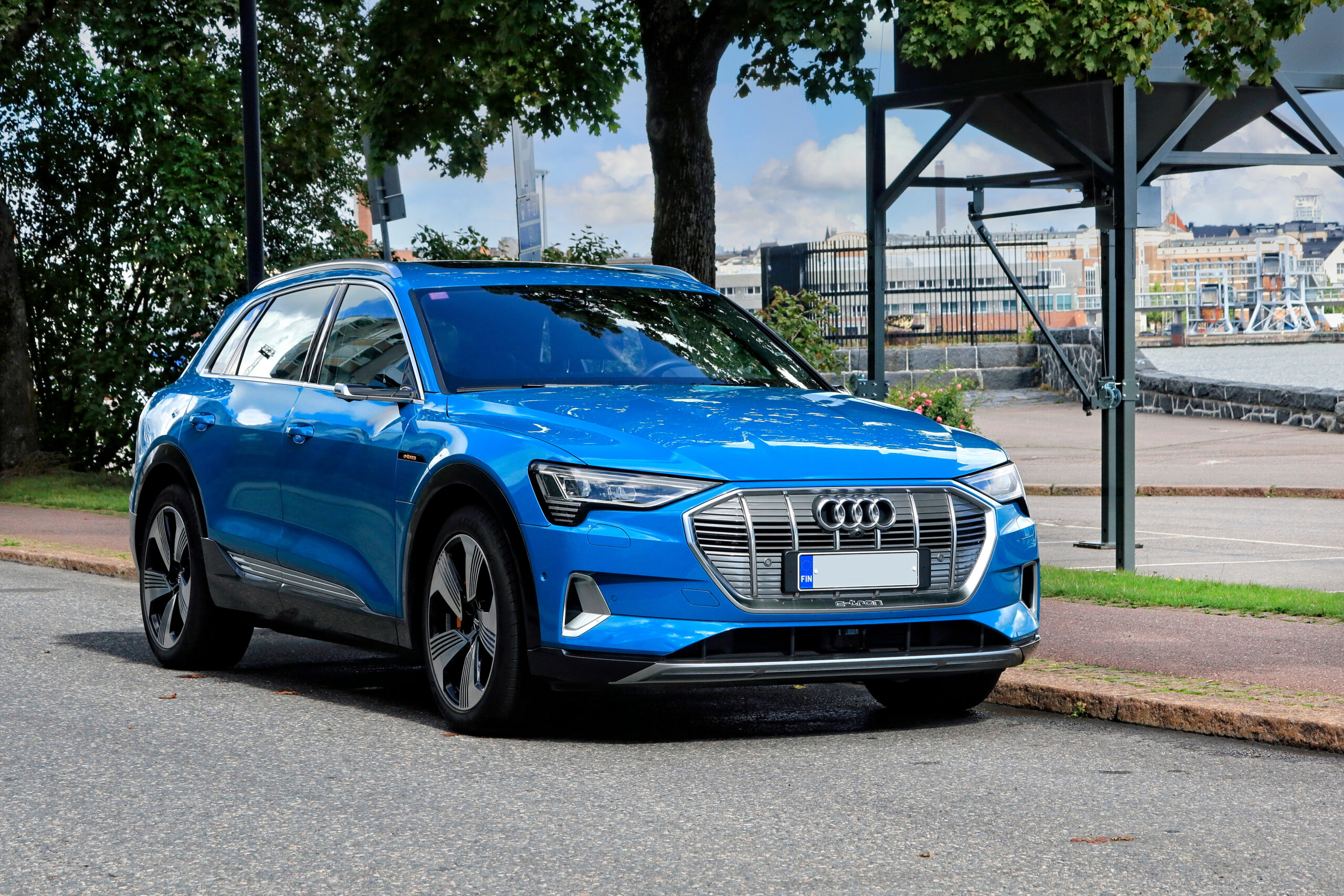
Paint protection film (PPF) is a thick, clear polyurethane skin that physically absorbs stone chips and light scratches. Ceramic coating is a hard, glass-like layer only a few microns thick that makes paint glossier, water-repellent and easier to clean, but does almost nothing against chips. In India, a good ceramic coating typically costs Rs 25,000 to Rs 40,000, while a quality full-body PPF on a large luxury car usually runs from about Rs 1 lakh to more than Rs 2 lakh. For most luxury car owners, the best value is neither extreme: film on the parts that take the hits, and a coating on everything else.
This guide explains what each one actually does, what Indian owners have paid, the mistakes that waste the money, and which to choose for your car and your driving.
PPF vs ceramic coating at a glance
| Paint protection film (PPF) | Ceramic coating | |
| What it is | Clear thermoplastic polyurethane (TPU) film, applied panel by panel | Liquid coating that cures into a hard, thin layer on the clear coat |
| Thickness | Roughly 150 to 200 microns for typical films | 1 to 6 microns for most professional coatings |
| Stone chips | Absorbs minor chips | Little to no protection |
| Light scratches and swirls | Many films self-heal light marks with heat | Adds some hardness, but does not stop wash swirls |
| Bird droppings, chemicals, UV | Good | Good |
| Gloss and water beading | Good, better with a coating on top | Excellent |
| Typical India cost, full car | About Rs 1 lakh to Rs 2 lakh plus (quality film and install) | About Rs 25,000 to Rs 40,000 for a multi-year package |
| Typical lifespan | 5 to 10 years, depending on film and warranty | 2 to 5 years for a professional coating, with safe washing |
| Main risk | Poor installation: lifted edges, bubbles, knife marks, removed trim | Poor washing undoing it within months |
Coating thickness is from a professional detailer’s explanation published by Team-BHP in March 2026. Costs are from owner and installer figures on Team-BHP between 2023 and 2025, detailed below. PPF thickness is a typical industry range: check the technical data sheet of the specific film you are quoted.
What ceramic coating actually does (and doesn’t)
A ceramic coating bonds to your car’s clear coat and cures into a hard, slick layer. It makes the paint shinier, makes water bead and roll off, and makes dirt and bird droppings easier to remove before they etch.
It is also far thinner than most people assume. A detailer quoted by Team-BHP in March 2026 put most professional coatings at 1 to 6 microns. For scale, the clear coat on a new car is often only around 40 microns, and a human hair is about 100. A layer that thin cannot absorb a stone hitting your bonnet at 100kph.
The same detailer made two other points that are worth knowing before you pay:
- Coatings do not stop wash swirls. Swirls from careless washing can run 8 to 10 microns deep, deeper than the coating itself. If the person washing your car uses a dirty cloth, the coating will not save the paint.
- Annual “paint correction” eats your clear coat. Each heavy polish removes a few microns. Engineers cited in that piece suggest no more than about 12 to 13 microns should come off over a car’s whole life. Polish once when the car is new, coat it, and then maintain it by washing properly, not by polishing again every year.
Owner experience matches this. A Team-BHP member who coated a black Mahindra Scorpio-N for about Rs 35,000 reported in April 2025 that light swirls appeared within six months and increased by the end of the first year, even though the gloss held up. Another member’s coated car still beaded water after more than two years with no top-ups, because it was washed safely. The coating was not the variable. The washing was.
What PPF actually does (and doesn’t)
PPF is a clear film, usually thermoplastic polyurethane, that sits on top of your paint. Its thickness is what lets it absorb stone chips, gravel rash, key-height scuffs and the odd parking-lot brush. Good films also self-heal light scratches when warmed by the sun or hot water.
It is not armour. Team-BHP’s March 2026 detailer piece is blunt: PPF stops minor chips, but a hard enough hit will still go through, and because film is softer than paint it does nothing against dents. It also picks up wash swirls just as easily as paint, which is why most installers put a ceramic coating over the film.
Film quality varies enormously. According to a long-standing Team-BHP member who works with detailers, a 200 sq ft roll of an economy film costs a fraction of a premium one, and the difference shows in clarity, texture (“orange peel”) and how the film ages. White and light-coloured cars are where cheap film gives itself away first, through yellowing. Several members specifically advise against cheaper TPH films on white cars for that reason.
Installation matters as much as the film. A properly tucked full-body install often means removing badges, lamps, mirror caps and sometimes bumpers, so the film wraps around edges instead of stopping short of them. Done badly, edges lift, dust gets trapped under the film, and a careless installer can cut into your paint while trimming film on the car. Team-BHP owners have reported glue marks, a bumper edge lifting within a month, and bubbles in curved corners.
How much do PPF and ceramic coating cost in India?
There is no official price list. Detailers price by car size, film brand, warranty length and how much prep the paint needs. These are real figures Indian owners and installers have shared on Team-BHP, with dates, so you know what is reasonable.
Ceramic coating
| Who / where | What | Price |
| Bengaluru owner, Jan 2023 | Professional coating, 2-year and 5-year packages, paint only | Rs 25,000 (2-year) and Rs 40,000 (5-year); about Rs 53,000 with glass, wheels and trim |
| Scorpio-N owner, Apr 2025 | Coating with free maintenance top-ups at later visits | About Rs 35,000 |
| XEV 9e owner’s quotes, Apr 2025 | Full graphene or ceramic coating | Rs 35,000 to Rs 40,000 |
Full-body PPF
| Who / where | Film | Price |
| Delhi owner, Mar 2025, cars 4.7m and longer, before GST | Garware | Rs 50,000 to Rs 80,000 |
| Same owner’s quotes | Saint-Gobain | About Rs 1 lakh |
| Same owner’s quotes | STEK, 5-year warranty | About Rs 1.4 to 1.5 lakh |
| Same owner’s quotes | STEK 10-year, XPEL Ultimate Plus | Rs 2 lakh plus |
| Delhi NCR owner, Feb 2023, mid-size SUV, before tax | Range of brands, 5 to 10-year warranties | About Rs 1 lakh to Rs 1.8 lakh |
| Delhi owner, Mar 2023, quotes for a large SUV | Garware to Llumar Valor | About Rs 1 lakh to Rs 2.35 lakh plus GST |
The same experienced member broke down why quality PPF costs what it does: premium film, a skilled installer who takes four to six days rather than two, the shop’s margin and 18 percent GST put a properly done full-body install on a big car at around Rs 2 lakh or more. His warning was that an Rs 70,000 to Rs 80,000 “full PPF” usually means a weak film, rushed labour and no paint correction underneath.
What this means for a luxury car. A BMW X5, Mercedes GLE or Range Rover is bigger than the cars in most of these quotes, uses more film and has more trim to remove. Budget towards the upper end of each range.
A middle path. In April 2025, an XEV 9e owner was quoted about Rs 60,000 to Rs 70,000 for coating the paint plus basic PPF on the gloss-black cladding, against Rs 70,000 to Rs 2 lakh for full PPF. Note one catch from Team-BHP’s detailer piece: partial PPF still costs more than a coating alone, because the filmed panels need coating too.
Which should you pick? Our recommendation by owner type
Buy ceramic coating alone if:
- The car lives mostly in the city, in covered parking, and rarely sees long highway runs.
- You or your cleaner can wash it properly: two buckets, clean microfibre, no dry wiping of dust.
- You plan to sell within three or four years and mainly want the paint to look good at resale.
Buy front-end PPF plus ceramic coating if:
- You do regular highway trips, where stone chips on the bonnet, bumper and mirrors are inevitable.
- You want most of the protection for roughly half the cost of full film.
- This is our default recommendation for most luxury car owners. Film the bonnet, front bumper, front fenders and mirror caps, and coat the rest.
Buy full-body PPF if:
- You plan to keep the car five years or more and want the original paint intact when you sell.
- The car has a delicate, expensive or hard-to-match paint, or it is a performance car that sees a lot of highway and track use.
- You are prepared to pay for a premium film and an installer with a long, verifiable track record.
For a matte-finish car, matte PPF exists and protects the finish, but get the installer to show you a matte car they have filmed. A matte finish is far less forgiving of poor work than gloss.
Six mistakes that waste your money
- Buying on price alone. The cheapest full-PPF quote is cheap for a reason. Ask which exact film (brand and series) will be used, ask to see the box, and get the film’s warranty card in your name.
- Not reading the warranty. Film warranties typically cover the film itself, not your paint. XPEL’s published terms, for example, cover yellowing, cracking, blistering and delamination for 10 years on its Ultimate Plus film, but exclude chips, scratches, stains, improper washing and damage to the paint under the film. The warranty can transfer to a new owner only with proof of the original installation date, so keep the invoice.
- Skipping paint correction before film or coating. Anything trapped under film or coating stays there. New cars often arrive with transit marks and dealer-wash swirls.
- Polishing every year. Heavy annual correction thins the clear coat. One correction when new, then safe washing, is the better plan.
- Taking verbal promises. A Team-BHP member in Bengaluru said a promise made at the time of sale was denied when he raised it later. Get the scope, film, number of coating layers, top-up visits and warranty in writing on the invoice.
- Ignoring the factory warranty question. A full PPF install can involve removing trim and lamps. One experienced Team-BHP member warned that if a dealer links a later fault to that work, it can complicate a warranty claim. Ask your dealer in writing how they treat aftermarket film and coating before you book the job.
Buying a pre-owned luxury car with PPF or coating?
A used car that has had premium PPF since new can be a genuinely good find, because the paint underneath is often close to factory condition. Ask for the film invoice, the brand and series, and the warranty card. Look closely along panel edges for lifting, yellowing or trapped dirt, and check for knife marks where the film ends.
Be wary of a car that has been “freshly coated” just before sale. A new coating makes paint look excellent and can hide swirls and minor repairs for a while. Bring a paint thickness gauge or ask an inspector to use one. Our used luxury car inspection checklist covers the rest of the walk-round, and you can browse pre-owned luxury SUVs and sedans or demo cars on Motozite.
Our take
If you remember one thing, make it this: ceramic coating is about looks and easy cleaning, and PPF is about physical protection. Neither fixes bad washing habits.
For a new luxury car that will see Indian highways, film the front end, coat the whole car, and spend the money you saved on someone who washes it properly. Go full-body PPF only if you are keeping the car for years, and only with a premium film and an installer you can verify.
FAQ
What is the difference between PPF and ceramic coating?
PPF is a thick, clear polyurethane film that physically absorbs stone chips and light scratches, and many films self-heal minor marks. Ceramic coating is a liquid layer only a few microns thick that cures hard, adding gloss, water repellency and easier cleaning, but it gives almost no protection against chips. Many owners combine the two: film on high-impact areas and a coating over everything.
How much does PPF cost in India?
A quality full-body PPF typically costs about Rs 1 lakh to more than Rs 2 lakh, depending on the car’s size, the film brand and the warranty, according to owner and installer figures shared on Team-BHP between 2023 and 2025. Budget film installs can be quoted at Rs 50,000 to Rs 80,000, but experienced members warn these often use weak film and rushed labour. Large luxury SUVs sit at the upper end of the range.
How much does ceramic coating cost in India?
A professional ceramic coating usually costs Rs 25,000 to Rs 40,000 for a two- to five-year package, based on prices shared by Team-BHP owners. Coating the glass, wheels and trim adds to that. Larger cars and coatings that include paint correction cost more.
Is PPF worth it on a luxury car in India?
It is worth it on the front of almost any luxury car that sees highway use, because the bonnet, bumper and mirrors take most stone chips. Full-body PPF makes sense if you plan to keep the car for five years or more, or if the paint is expensive to repair. For a city car you will sell within three or four years, a ceramic coating is usually enough.
Does PPF turn yellow?
Cheap films can yellow within a few years, which is most visible on white cars. Premium TPU films are designed to resist yellowing, and some manufacturers warranty against it, such as XPEL’s 10-year warranty on its Ultimate Plus film. Avoid economy and TPH films on a white or light-coloured car.
Can I put ceramic coating on top of PPF?
Yes, and most good installers recommend it. The coating adds gloss and water repellency to the film and makes it easier to keep clean, because PPF picks up wash swirls just as paint does. Coat the film after it has been installed, not before.
