
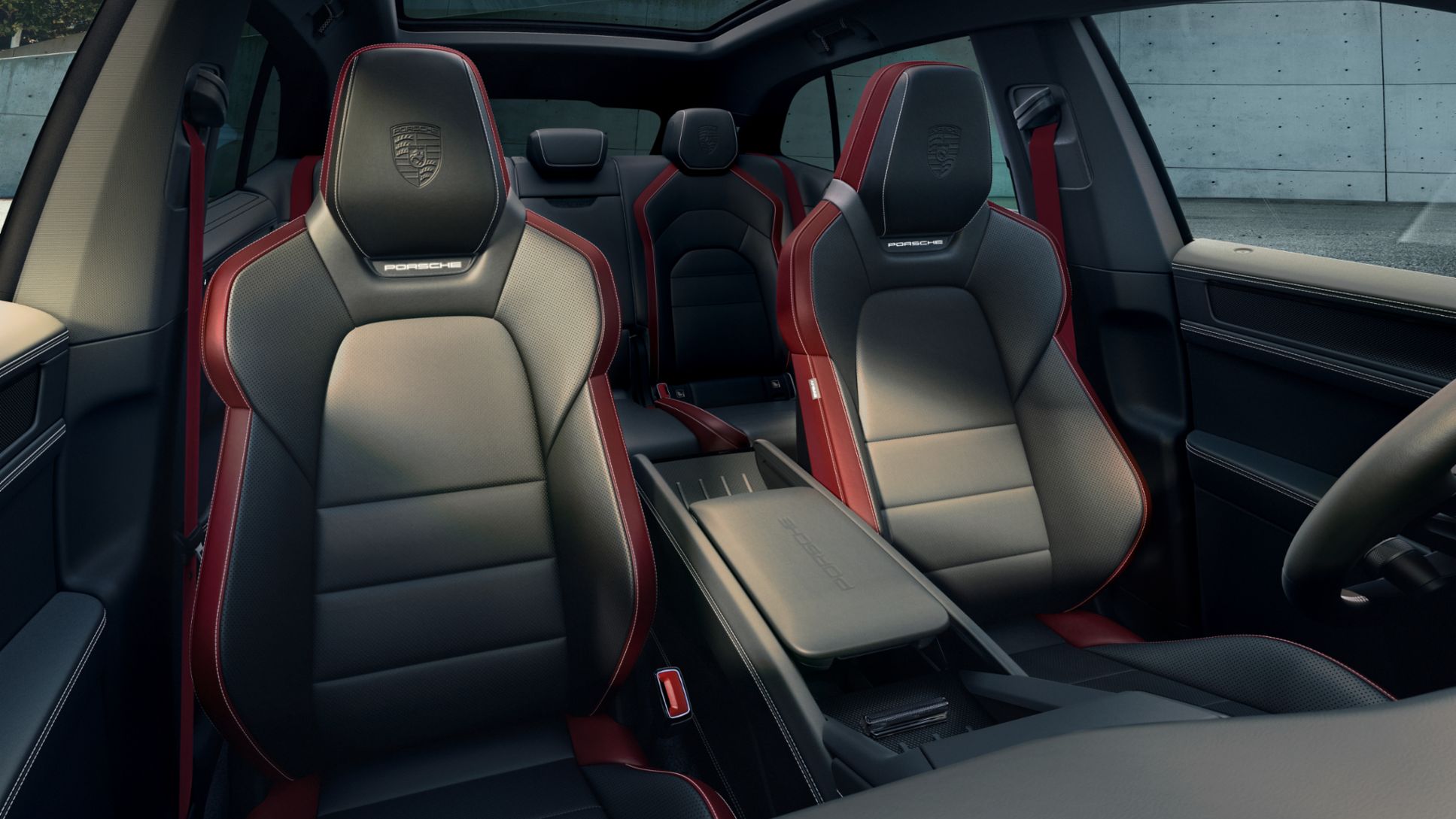
Luxury car seats now do three jobs beyond holding you in place. Ventilation uses small fans to move air through perforated upholstery, so your back doesn’t stick to the leather. Massage uses inflatable air cells, and on the newest cars vibration motors, to work your back and thighs. Memory stores your seat position, and usually your mirrors and steering wheel, so one button resets the car after someone else has driven it. In India, ventilation is the one that earns its keep every single day. Massage is mainly a rear-seat feature for chauffeur-driven owners, and memory matters most when two or more people share the car.
Why seat technology matters more to Indian buyers
Ask Indian car owners what they want and seat cooling comes out on top. In a Park+ Research Labs survey of 6,000 car owners, reported by Autocar Professional in April 2025, 78 percent named ventilated seats as their top choice. Sunroofs got 11 percent, ADAS 8 percent and bigger touchscreens 3 percent.
That tells you something luxury brands took a while to learn. Heated seats were the original prestige feature in Europe. In Chennai in May, nobody cares. What a buyer here notices is a dry back after 40 minutes in traffic, and that is now standard on most flagships sold in India.
How ventilated seats work
A ventilated seat has small fans built into the cushion and backrest. They move air through channels in the foam and out through the perforations in the leather. Some systems blow air out, others pull it in. Mercedes, for example, fitted “active seat ventilation with reversing fans” to the S-Class back in 2013, so the fans could do both.
The important point is that most ventilated seats move cabin air. They are not little air conditioners. If the cabin is 45 degrees because the car has been parked in the sun, the seat will push 45-degree air at you until the AC catches up. It still helps, because moving air dries sweat, but it isn’t instant cold.
Ventilated vs cooled seats
Manufacturers use the words loosely, so check the spec sheet:
| Type | How it works | What it feels like |
| Ventilated seat | Fans move cabin air through the seat | Dry and airy, as cool as the cabin |
| Cooled or climate seat | Air is chilled first, by a thermoelectric module or ducted AC air | Genuinely cold to the touch |
| Perforated leather only | Holes in the leather, no fans | Breathes slightly better, nothing more |
Perforated leather on its own proves nothing. Plenty of cars have perforated seats with no fans behind them. Look for a ventilation button or a fan icon on the climate screen.
Our view: On a car registered in Delhi, Rajasthan, Chennai or Hyderabad, ventilated front seats should be a deal-breaker. We’d give up a panoramic roof for them without a second thought.
How massage seats work
There are three kinds of massage in today’s luxury cars, and the better systems combine them.
Pneumatic (air cell) massage. Inflatable air chambers in the backrest fill and empty in sequence to press on different parts of your back. This is the most common type. Porsche’s new Cayenne Electric uses 16 air cushions with a longer stroke in each front seat, and extends the pressure massage into the seat cushion.
Vibration massage. Small motors vibrate the seat, which feels quite different from the slow press of air cells. Mercedes added vibration motors to two of the S-Class’s ten massage programmes. Porsche’s Cayenne Electric uses two actuators in the cushion and four in the backrest, which Porsche calls a first for the brand.
Heat plus pressure (“hot stone”). Seat heating is switched on in zones together with the air cells, so you feel warmth where the pressure is. Mercedes introduced its ENERGIZING hot-stone massage on the 2013 S-Class, with 14 air cushions in the backrest and six programmes. Land Rover lists hot stone massage seats on the India-made Range Rover HSE.
| Car (India) | Front seat massage | Rear seat massage | Notes |
| Mercedes-Benz S-Class (2026) | Yes | Yes | All four seats can have heating, ventilation and massage; executive rear seats recline to 43.5 degrees |
| BMW 7 Series (2026) | Yes | Yes | Seats heated, ventilated and massaging; Executive Lounge rear reclines to 43 degrees |
| Range Rover HSE (Made in India) | Yes, hot stone | Executive Class Comfort rear seats | 24-way heated and cooled front seats |
| Volvo XC90 | Yes | No | Ventilation, heating and massage standard on the front seats |
Sources: Autocar India, BMW Group India, Land Rover India, as listed in the sources section. Check your exact variant before booking.
Volvo’s own manual for the XC90 lists five massage programmes with three speeds and three intensities, and three levels each of cooling and heating. That’s a useful benchmark: if a rival’s massage has a single on-off setting, it’s a box-ticking feature.
Our view: Front massage seats are pleasant on a Mumbai-Pune run, but you can live without them. In the back of an S-Class or 7 Series, where the owner spends two hours a day, they’re part of what you’re paying for.
How memory seats work
A memory seat records the positions of its motors and plays them back. On most luxury cars, saving a setting stores more than the seat. Porsche, for instance, offers 14-way Comfort Seats with memory, and its dealers describe the memory as covering seats, mirrors and steering wheel together.
What to check:
- Driver only, or both front seats? Porsche’s standard Cayenne Electric SUV has memory only on the driver’s side. You need the optional Comfort Seats for memory on both front seats.
- How many positions? Mercedes’s US order guide for the S-Class lists 4-position memory. Most cars offer two or three.
- Is it tied to the key or a driver profile? Increasingly, the seat moves to your setting when the car recognises your key or profile. That’s handy in a family with two drivers and a chauffeur.
Memory also matters for rear passengers. In an S-Class or 7 Series, the rear seat moves through a long range of recline, so saving “work” and “sleep” positions saves a lot of button-pressing.
What to check on a pre-owned luxury car
Seat electronics age like any other electrical part, and a used car may have a dead fan or a leaking air cell nobody mentioned.
- Ventilation fans. Volkswagen Group issued a service bulletin noting that seat ventilation fans can stop working because of internal contamination or electrical failure. Switch the ventilation to maximum and feel for airflow on both cushion and backrest.
- Massage air leaks. Land Rover issued a 2016 bulletin on the previous-generation (L405) Range Rover and (L494) Range Rover Sport after owners reported air leaks from the lumbar and massage system. Some exhaust noise is normal, but run every programme and listen.
- Monsoon and spills. The Autocar Professional report on the Park+ survey notes buyer concerns about ventilated seats leaking during monsoons. Water or a spilt drink through perforated leather can reach the fans. Look for staining on the perforations.
- Memory recall. Save a position, move the seat, then recall it. A seat that stops short suggests a tired motor.
When you browse pre-owned luxury cars on Motozite, ask the seller to confirm which seat functions the car has and whether any seat repairs were done. Then check them yourself on the test drive, or have an authorised workshop check them.
Which seat features are worth paying for?
- Ventilation: essential in most of India. Front seats at a minimum, rear seats too if you’re often driven.
- Memory: worth it the moment two people drive the car, or if you use a chauffeur.
- Massage: a rear-seat luxury for chauffeur-driven buyers, and a nice extra up front on long highway runs.
- Heating: useful for winters in the north and hill stations, rarely used elsewhere.
If you’re deciding between two variants, our guide to luxury cars for tall drivers covers the other half of seat comfort: whether the seat actually fits you.
FAQ: luxury car seat technology
What is a ventilated seat in a car?
A ventilated seat has small fans inside the cushion and backrest that move air through perforations in the upholstery. The airflow dries sweat and stops your back sticking to leather. Most ventilated seats move cabin air rather than chilled air, so they work best once the AC has cooled the cabin.
What is the difference between ventilated and cooled seats?
Ventilated seats use fans to move cabin-temperature air through the seat. Cooled or climate seats chill the air first, using a thermoelectric module or air ducted from the AC. Carmakers use both terms loosely, so check the owner’s manual or spec sheet to see which one a car has.
Are ventilated seats worth it in India?
Yes, for most Indian cities. In a Park+ Research Labs survey of 6,000 Indian car owners, 78 percent named ventilated seats their top choice, ahead of sunroofs and ADAS. They make the biggest difference in hot, humid cities and on long drives in traffic.
How do massage seats work in luxury cars?
Most use inflatable air chambers in the backrest that fill and empty in sequence to press on your back. Newer systems, such as the Mercedes S-Class and Porsche Cayenne Electric, add vibration motors. “Hot stone” massage combines the air chambers with zoned seat heating.
What is a hot stone massage seat?
It’s a massage seat that warms specific areas of the backrest at the same time as the air cells press on them, so the heat follows the pressure. Mercedes introduced it on the 2013 S-Class, and Land Rover lists hot stone massage seats on the India-made Range Rover HSE.
What do memory seats store?
Memory seats store the position of each seat motor, and on most luxury cars also the mirrors and steering column. Many cars save two to four positions, and some link them to a key or driver profile. Check whether memory covers only the driver’s seat or both front seats.
