
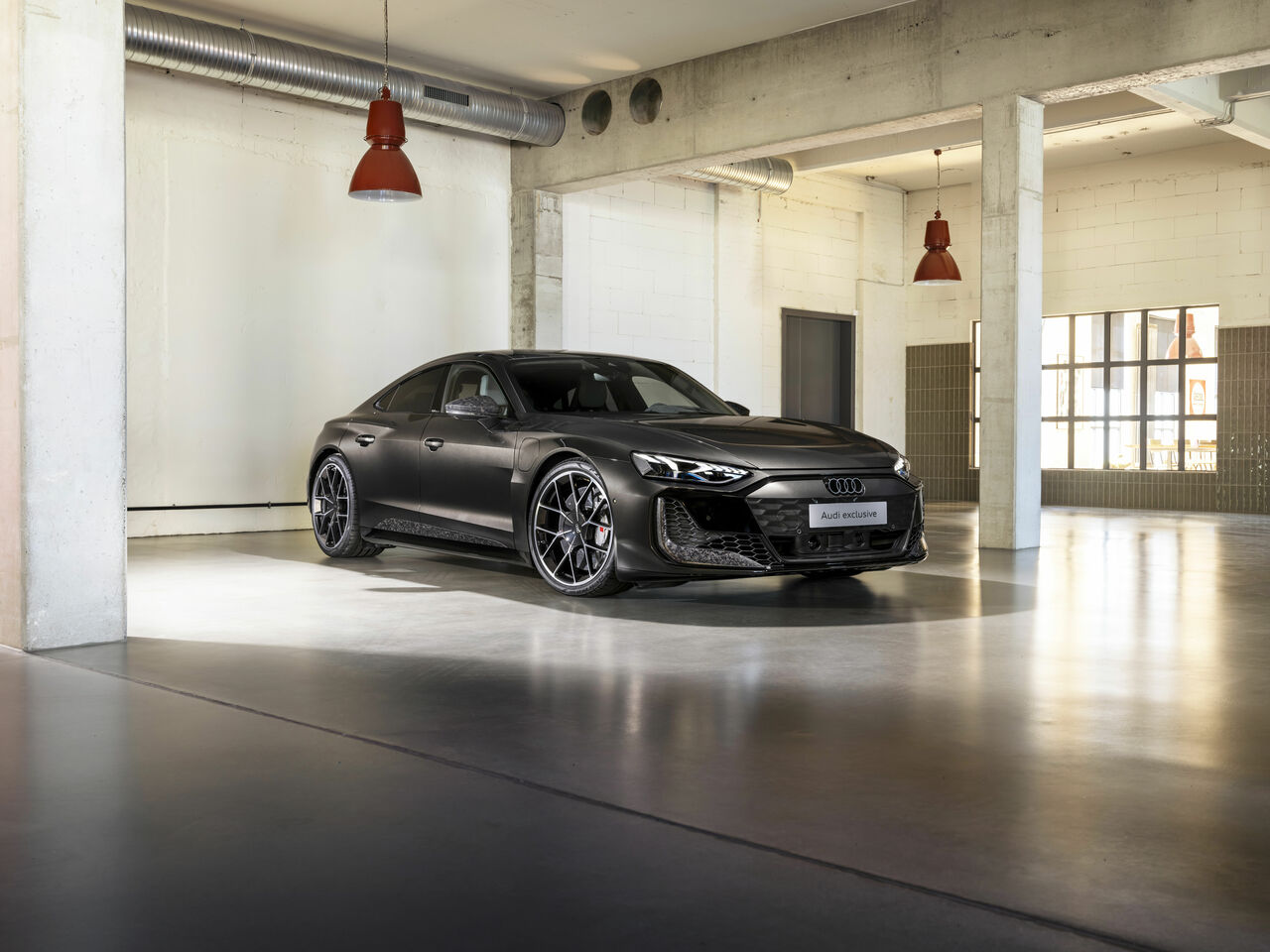
Some modifications are legal in India, but far fewer than most workshops suggest. Section 52 of the Motor Vehicles Act bars any change that makes a car differ from the particulars in its registration certificate (RC) as specified by the manufacturer, and the Supreme Court confirmed this strictly in 2019. A colour change needs RTO approval first, so a wrap in a new colour without an RC update is a problem. A louder aftermarket exhaust can cost Rs 10,000 and a three-month licence suspension. Alloys are a grey area: same-size wheels carry little risk, while oversized ones carry more. The rule of thumb: if the RC no longer describes the car, or the car is louder, brighter or dirtier than standard, you’re exposed.
What the law says about car modification
Three pieces of law matter, and they are shorter than the arguments about them.
Section 52 of the Motor Vehicles Act. No owner may alter a vehicle so that its RC particulars differ from those the manufacturer originally specified. The Act’s explanation defines “alteration” as a change in structure that changes the vehicle’s basic features. Exceptions cover approved fuel conversions (such as CNG kits) and adapted vehicles for people with disabilities, and the Central Government can notify others.
The 2019 Supreme Court ruling. In Regional Transport Officer v K Jayachandra (9 January 2019), the court held that no vehicle can be altered so as to change the original specification made by the manufacturer. It wasn’t a ban on every accessory, as the law firm Khurana and Khurana pointed out at the time: the test is whether basic features change and whether road safety suffers. But it badly weakened the old argument that an RTO endorsement can rescue any modification.
Section 182A(4), added in 2019. An owner who alters a car in a way the law doesn’t permit, including by retrofitting parts, faces up to six months in jail, a fine of Rs 5,000 per alteration, or both. Note “per alteration”. A workshop or dealer that alters a car against the rules faces up to one year in jail, a fine of Rs 1 lakh per vehicle, or both.
Separately, Section 190(2) covers breaches of noise, pollution and road-safety standards at Rs 10,000, plus a three-month licence disqualification, according to West Bengal Traffic Police’s penalty schedule.
What’s legal and what isn’t: a quick guide
This table is our reading of the Act and of how authorities have applied it. Enforcement varies by state and by officer.
| Modification | Status | Why |
| Transparent paint protection film, ceramic coating | Low risk | No change in colour or structure |
| Wrap in the same colour as the RC | Low risk | Insurer ICICI Lombard says a wrap that doesn’t change the registered colour is legal |
| New-colour wrap or repaint, with RTO approval and RC update | Legal if approved first | Colour is an RC particular |
| New-colour wrap or repaint, no approval | Not permitted | Section 52; fines and police action reported |
| Same-size alloys as a factory option | Low risk, grey area | No central rule names them, and basic features are unchanged |
| Oversized wheels and tyres | Risky | Changes the car’s specification and can affect safety |
| Louder aftermarket exhaust | Not permitted | Noise standards; Section 190(2) |
| Coloured, strobe, neon or laser lighting | Not permitted | Kerala High Court ordered fines per light in 2024 |
| Bull bars and crash guards | Not permitted | Ministry notification, December 2017 |
| Pressure horns | Not permitted | Regular target of police drives |
| Dark window film | Not permitted below legal limits | Rule 100: 70 percent light transmission for windscreens, 50 percent for side windows |
| ECU remap | Grey area, high risk | Not addressed directly; emissions and warranty are the problem |
Is a car wrap legal in India?
Yes, if it doesn’t change the colour on your RC. A satin black wrap on a black BMW is a very different thing from a matte green one, because what the transport authority cares about is whether the car matches its papers.
A change in colour needs permission first. In February 2025, Deccan Chronicle reported that police in Hyderabad’s Jubilee Hills booked a car owner and the wrap shop on tampering charges after a colour change. An RTO official told the paper that changing colour without permission is illegal, with a fine of Rs 1,000 to Rs 5,000 for a mismatch with the RC. The same report cited heavier provisions, though those apply to dealers and workshops more than owners.
To do it properly, in our understanding of the process:
- Apply to your RTO before the work starts. Many services now run through Parivahan, and steps vary by state.
- Get a no-objection letter from your financier if the car is on a loan. Section 52(5) says a car under hire purchase cannot be altered without the registered owner’s written consent.
- Have the car wrapped in the approved colour.
- Get the RC updated. ICICI Lombard says approvals take around 7 to 15 working days, varying by RTO.
- Tell your insurer once the RC is updated.
If the alteration was made without prior approval, Section 52(3) tells the owner to report it to the registering authority within 14 days. Don’t treat that as a free pass after the Supreme Court’s ruling; the RTO doesn’t have to accept every change.
Are aftermarket exhausts legal in India?
Generally not, and this is the modification most likely to get you stopped. Rule 120 of the Central Motor Vehicles Rules and Section 190(2) are the provisions police use for loud silencers. In six months to June 2025, Gurugram police issued 437 challans worth Rs 43.70 lakh, which works out to Rs 10,000 each, the Tribune reported. Most involved motorcycles, and the drive also covered pressure horns.
It isn’t only a bike problem. In January 2026, Deccan Herald reported that a Bengaluru student was fined Rs 1.11 lakh over a modified silencer on a car worth Rs 70,000. The police referred the violation to the RTO. In Kerala, the High Court said in June 2024 that vehicles with extensive modifications or loud exhausts could have their RC suspended or cancelled.
If you want a better exhaust note on a luxury car, buy a car that comes with one, or ask the dealer about a brand-approved accessory such as BMW’s M Performance range or Porsche Tequipment. Being sold by a dealer helps with fitment and warranty questions. It doesn’t automatically make a louder car legal, so ask whether the part is homologated for India before you pay.
Are alloy wheels and bigger tyres legal?
This is the real grey area. We couldn’t find a central rule that names an allowed wheel size for private cars, and alloys are one of the most common changes on Indian roads.
Our reading: a wheel of the same size as a factory option for your car, with a tyre of the same overall diameter, changes nothing the RC records and shouldn’t change any basic feature. It carries low legal risk. Oversized wheels are different. Khurana and Khurana’s reading of the 2019 ruling names “higher capacity wheels” among changes that can threaten road safety, and big wheels on Indian roads can also damage rims, change speedometer readings and raise tyre costs. A cheap replica wheel is a separate risk: it may look like the original without being built like it.
On a luxury car, the sensible route is the factory-approved wheel for your model, bought through the authorised dealer. You also keep the right load rating, which matters a lot on a 2.5-tonne SUV.
Lights, horns, tints and bull bars
These are the easy ones, because the rules are clear and enforcement is common.
- Lighting: the Kerala High Court ordered a fine of Rs 5,000 per aftermarket multi-coloured LED, laser, neon or flashlight, under Section 182A(4), along with action against drivers under Section 190(2).
- Bull bars: the transport ministry’s December 2017 notification treats them as a breach of Section 52. In May 2023, the Delhi High Court directed strict action. They can also interfere with crash sensors.
- Window film: Rule 100 requires 70 percent visible light transmission on windscreens and 50 percent on side glass, per our panoramic sunroof guide. The Kerala High Court ruled in 2024 that films meeting those limits are allowed.
- Pressure horns: they feature in almost every noise drive. Mumbai traffic police destroyed more than 10,000 pressure horns and modified silencers in one campaign, Deccan Herald reported.
The two costs that outweigh any challan
For a Rs 1 crore car, the fine isn’t the real risk. These two are.
Insurance. Zurich Kotak’s guidance is blunt: any change to the engine, body or electrical systems must be reported to the insurer and approved in advance, and failure to do so can lead to claim denial. ICICI Lombard gives similar advice on colour changes. So a remap or an undeclared electrical add-on could become an insurer’s reason to contest a large claim. Declare every change, and get the acceptance in writing.
Warranty. The Act says the manufacturer’s warranty isn’t voided by alterations made under the Central Government’s approved retrofit rules. That protects very few modifications. Everything else is up to the brand. Before you fit anything to a car under warranty, ask the service manager what happens if a related component fails, and get it in writing. In our view, an ECU remap on a car with years of factory cover is the worst trade in this article: a modest gain in power against the risk to an expensive engine and gearbox warranty.
Buying a modified pre-owned luxury car
You inherit the car’s problems along with the keys. Before you commit:
- Match the car to the RC. Colour, body type and seating should agree. If the colour differs, ask whether it’s a wrap, and look in the door jambs and under the bonnet for the original paint.
- Listen to it. Start it cold and have someone check the tailpipe. An aftermarket exhaust or decat is a red flag.
- Ask an authorised workshop to scan the car. Ask specifically whether it shows any software changes or warranty blocks.
- Check the wheels. Compare the size with the factory options for that variant, and look for replica rims.
- Ask for the original parts. A seller who kept the stock exhaust and wheels can return the car to standard.
Our used luxury car inspection checklist covers the full walk-round. You can browse pre-owned luxury cars listed by sellers on Motozite, and confirm the paperwork on any listing with the seller and your RTO before you pay.
Our verdict: what we’d do
Spend your money where the law doesn’t care. Paint protection film, ceramic coating, a same-colour wrap, factory-approved wheels and better tyres all improve a luxury car with very little legal risk.
Order a special colour from the factory rather than wrapping later, if you’re buying new. Our guide to MANUFAKTUR, BMW Individual and Audi exclusive explains how. And leave the exhaust, ECU and lighting alone on any car you plan to keep under warranty or insure properly. Indian law allows little here, and a luxury car has much more to lose than a Rs 10,000 fine.
FAQ: car modification rules in India
Is car modification illegal in India?
Not all of it. Section 52 of the Motor Vehicles Act bars changes that make a car differ from its RC particulars or change its basic features, and the Supreme Court upheld this strictly in 2019. Same-colour wraps, ceramic coating and factory-approved accessories carry low risk. Colour changes need RTO approval, and loud exhausts and unauthorised lights are not permitted.
Is a car wrap legal in India?
A wrap in the same colour as your RC is generally fine. A wrap that changes the car’s colour needs RTO permission first and an updated RC, or it can attract a fine and police action. Tell your insurer too, because an undeclared change can complicate a claim.
What is the fine for a modified exhaust in India?
Police commonly use Section 190(2) of the Motor Vehicles Act, which carries Rs 10,000 and a three-month licence disqualification. Section 182A(4) can add Rs 5,000 per unauthorised alteration, or up to six months in jail. In one 2026 Bengaluru case, a student was fined Rs 1.11 lakh over a modified silencer.
Are aftermarket alloy wheels legal in India?
There’s no central rule naming an allowed wheel size, so this is a grey area. Same-size wheels matching a factory option carry low risk. Oversized wheels are riskier because they can change specifications and affect safety. Factory-approved wheels bought from the authorised dealer are the safest choice on a luxury car.
Does modifying a car void the insurance?
It can lead to a rejected claim if you don’t tell the insurer. Zurich Kotak says changes to the engine, body or electrical systems must be reported and approved in advance. Declare each change, ask for written acceptance, and expect the premium to change.
Does modifying a car void the warranty in India?
It depends on the brand and the part. The Act protects the warranty only for alterations made under the Central Government’s approved rules. For other changes, the manufacturer can refuse related warranty claims, so get your dealer’s position in writing before fitting anything.
How do I change my car’s colour legally?
Apply to your RTO before the work, with the RC, insurance, PUC and, if the car is on a loan, a financier’s no-objection letter. Once approved, repaint or wrap the car, have it inspected, get the RC updated and inform your insurer. Steps and fees vary by state.
