
Modern Luxury cars are faster, safer, and more technologically advanced than ever. Features such as adaptive cruise control, lane-keeping assistance, automatic parking, and advanced driver assistance systems have made driving easier and more convenient.
Yet, for driving enthusiasts, one traditional quality still matters: steering feedback.
Steering feedback is the information a driver feels through the steering wheel while driving. It can tell you how the car is responding to your inputs and, to some extent, what the front tyres are doing on the road.
For many enthusiasts, this connection is a major part of what makes driving enjoyable. A car can have a powerful engine and impressive acceleration, but if the steering feels disconnected, the overall driving experience may not feel as engaging.
What Is Steering Feedback?
More Than Just Turning the Wheels
Steering feedback is the sensation that comes through the steering wheel as you drive. It is influenced by the tyres, suspension, steering system, road surface, and the way the car has been tuned.
When steering feedback is good, the driver gets a better sense of how the front wheels are responding. You may notice changes in the road surface, the level of grip available, and how the car reacts when you turn into a corner.
This does not mean the steering wheel needs to feel heavy. Good steering feedback is about communication rather than effort.
A well-tuned steering system allows the driver to understand the car more naturally. That can make the driving experience feel more predictable, controlled, and enjoyable.
Why Enthusiasts Still Care About It
It Creates a Stronger Connection With the Car
For enthusiasts, driving is not only about reaching a destination. The experience of controlling the car is part of the enjoyment.
Steering feedback creates a stronger connection between the driver and the vehicle. When you turn the wheel and immediately understand how the car is responding, the driving experience feels more direct.
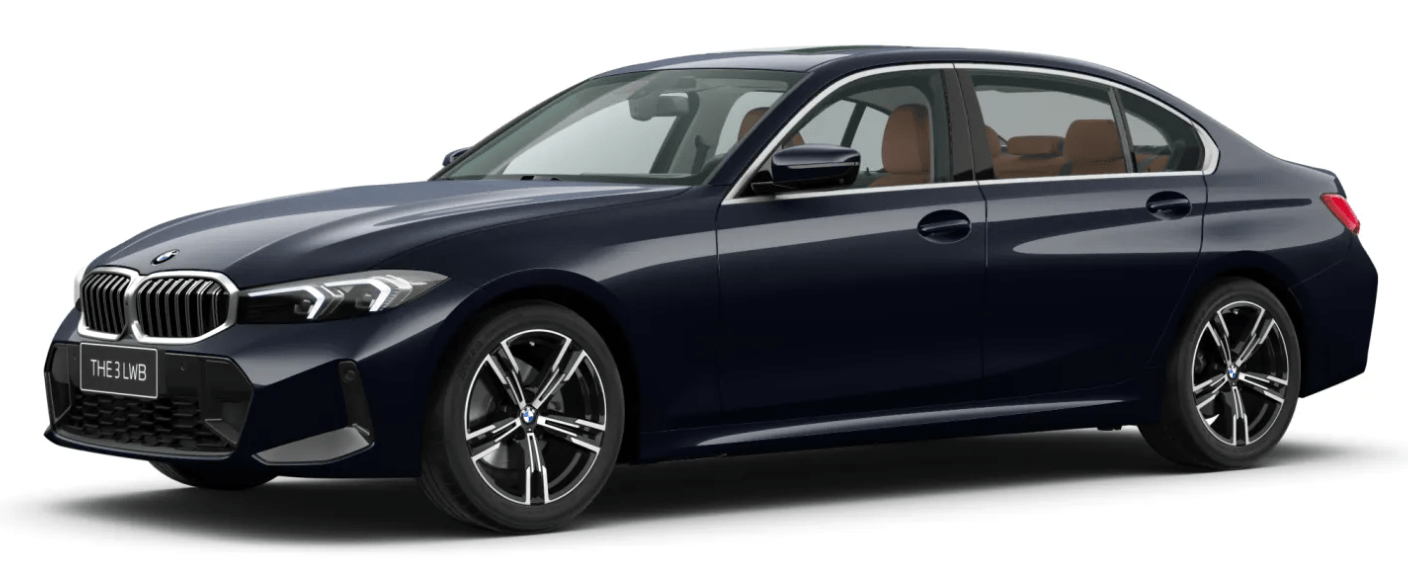
This is one reason cars from brands such as BMW have traditionally attracted driving enthusiasts. Models such as the BMW 3 Series have built a reputation around offering a balance of everyday usability and an engaging driving experience.
The same idea can be seen in performance-focused cars from Porsche, where steering feel remains an important part of the overall driving character.
Steering Feedback vs Steering Weight
A Common Misunderstanding
Steering feedback and steering weight are not the same thing.
A steering wheel can feel heavy without providing useful information. Similarly, a lightweight steering system can still offer good feedback if it communicates what the tyres are doing.
Modern cars often use electric power steering because it is efficient and works well with safety and driver-assistance systems. However, some enthusiasts feel that certain systems can reduce the natural connection between the driver and the road.
The best steering systems find a balance between comfort, accuracy, and communication.
For everyday driving, the steering should be light enough to make parking and city traffic easy. At higher speeds, it should provide enough response and confidence to make the driver feel connected to the car.
Why Steering Feel Matters on Indian Roads
Indian driving conditions make steering feel particularly interesting.
City driving often involves tight traffic, quick lane changes, narrow roads, and frequent parking. Here, light and precise steering can make everyday driving easier.
On highways, however, drivers may value stability and confidence at higher speeds. On winding roads, steering response becomes even more important because the driver needs to understand how quickly the car will react to each input.
Road quality also plays a role. Uneven surfaces can affect how the car feels through the steering wheel. A well-tuned system should help the driver understand what is happening without becoming uncomfortable or overly sensitive.
This is also where cars with different driving philosophies can feel very different. A Mercedes-Benz E-Class, for example, is designed with a strong focus on comfort and refinement, while a more driver-focused car may provide sharper steering responses.
For Indian buyers, this is why a test drive should include more than a short trip around a dealership. Try the car in traffic, on open roads, and, where possible, on different road surfaces.
Modern Cars and the Future of Steering
Has Technology Taken Away the Driving Feel?
The answer is not always simple. Modern steering systems have many advantages. Electric power steering can improve efficiency, support advanced safety features, and make it easier to adjust steering assistance for different driving modes.
However, enthusiasts still want a sense of connection.
This is why manufacturers continue to tune steering systems carefully. Even luxury cars such as the Audi A6 are expected to balance everyday comfort with confident handling, while more performance-oriented models put greater emphasis on steering response and driver involvement.
As cars become more electric and software-driven, the challenge will be to maintain that connection between the driver and the road.
The technology may change, but the basic desire remains the same: drivers want to feel that their inputs matter.
What Enthusiasts Should Look For
When evaluating a car, enthusiasts should not judge steering only by how heavy it feels. Pay attention to how quickly the car responds to steering inputs, whether it feels predictable in corners, and how naturally the steering returns after a turn.
Also consider how the steering behaves at different speeds. A good system should feel easy to use in the city but remain stable and confident on highways.
Most importantly, drive the car yourself. Reviews and specifications can explain performance, but steering feel is highly personal. What feels perfect to one driver may feel too light or too sharp to another.
It is also worth considering the type of car you are buying. A luxury sedan, a performance car, and an SUV will naturally have different steering characteristics because they are designed for different purposes.
Final Verdict
Steering feedback remains important because it gives drivers something that technology cannot completely replace: a sense of connection.
For enthusiasts, the best cars are not always the ones with the biggest engines or the most features. They are often the ones that communicate clearly and make the driver feel involved.
Modern cars will continue to become safer, faster, and more intelligent. Yet the basic pleasure of driving still comes from understanding how a car responds to your inputs.
That is why steering feedback continues to matter. Whether you are driving through city traffic, cruising on an Indian highway, or enjoying a winding road, a well-tuned steering system can make the experience more engaging and rewarding.
For automotive enthusiasts and buyers, it is one of those qualities that may not always appear on a specification sheet but can make a major difference once you are behind the wheel. Motozite continues to explore these details, helping readers better understand the technology, engineering, and driving characteristics that make modern cars truly special.
FAQs
1. How Does Steering Feedback Affect the Driving Experience?
Good steering feedback can make a car feel more predictable, controlled, and responsive. It helps drivers understand the vehicle’s behaviour and can make everyday driving as well as enthusiastic driving more enjoyable.
2. Does Modern Technology Affect Steering Feedback?
Modern steering technology, particularly electric power steering, offers benefits such as efficiency, adjustable assistance, and compatibility with advanced safety systems. Manufacturers continue to tune these systems to balance comfort, accuracy, and driver involvement.
3. Why Does Steering Feel Matter on Indian Roads?
Indian roads offer a mix of city traffic, highways, winding routes, and varying road surfaces. A well-tuned steering system can provide the right balance of lightness in traffic, stability at higher speeds, and confidence on different types of roads.
4. What Makes a Good Steering System?
A good steering system offers a balance of comfort, precision, responsiveness, and communication. It should be easy to use during everyday driving while providing confidence and control when driving at higher speeds.
5. Do All Cars Have the Same Steering Feel?
No, steering characteristics vary depending on the type and purpose of a vehicle. Luxury sedans, SUVs, and performance cars can have different steering setups designed to suit their individual driving characteristics and priorities.
