
When you compare cars, two numbers often stand out: torque and horsepower. Both are linked to performance, but they measure different things. Torque is the force that turns the wheels. Horsepower measures how quickly the engine or motor can use that force.
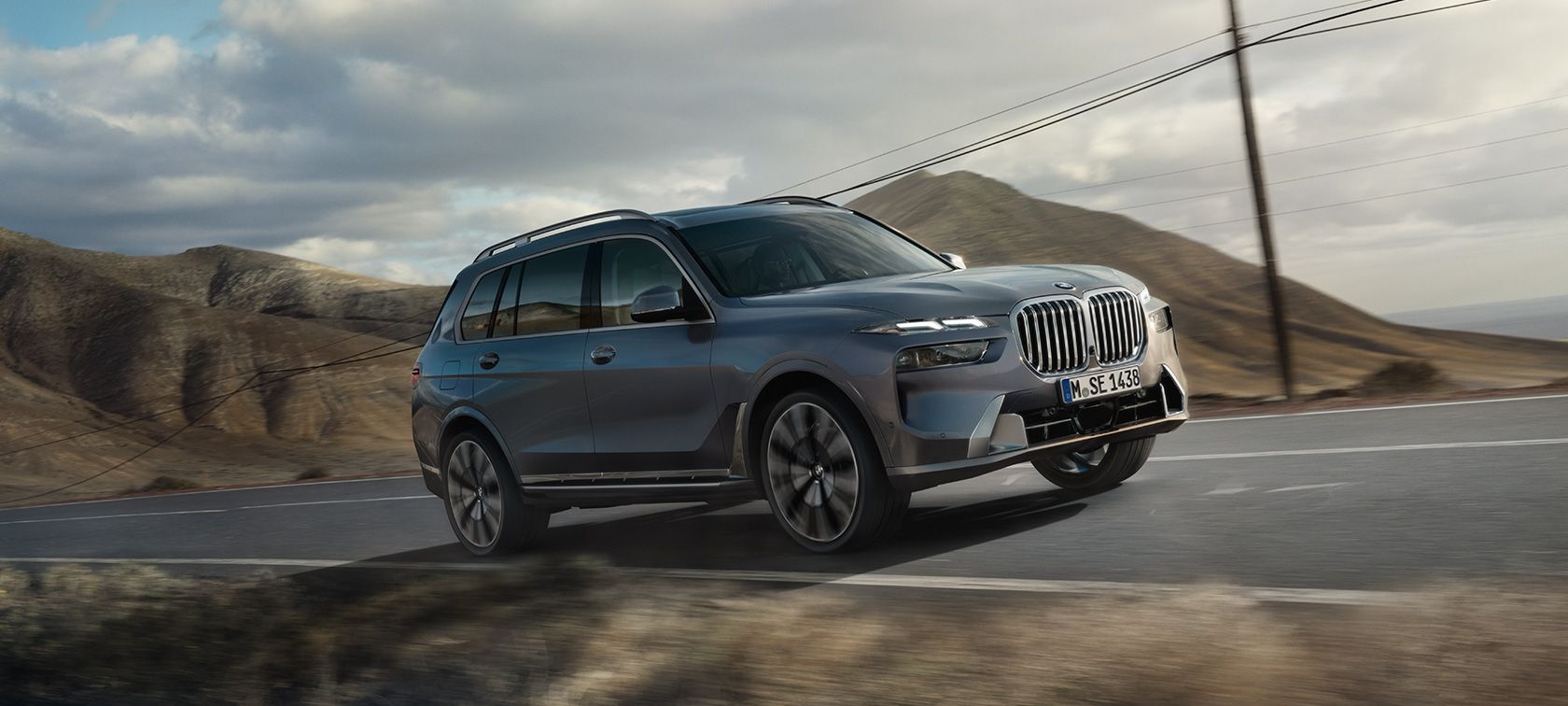
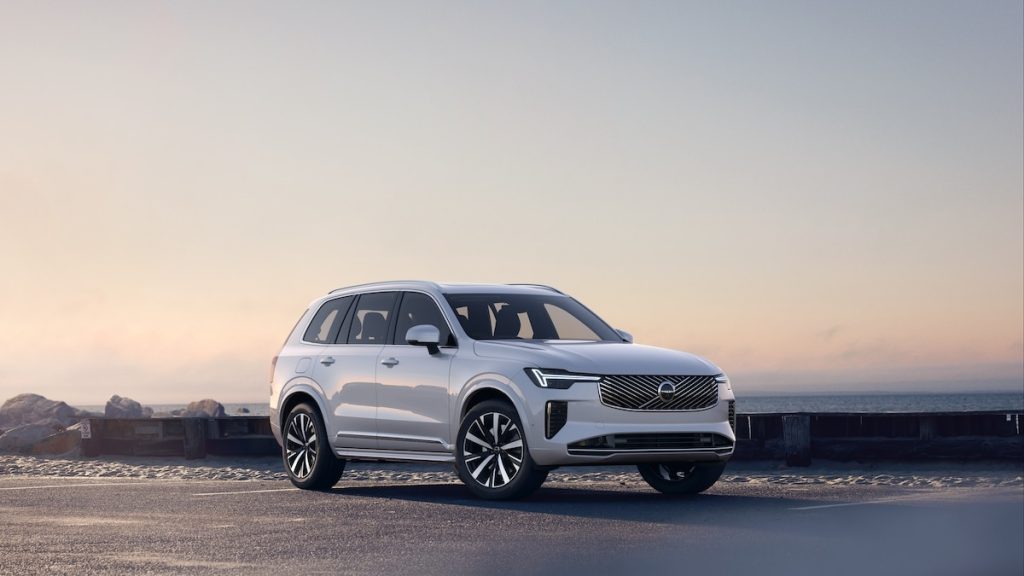
Understanding the difference between torque and horsepower can help you choose a car that suits your driving needs. On Motozite, you can explore luxury car models such as the Porsche Taycan, BMW X6, BMW X7, and Volvo XC90. Each model uses a different powertrain and offers its own blend of performance, comfort, and driving experience.
What Is Torque in a Car?
Torque is the turning force produced by an engine or electric motor. In India, it is usually measured in Newton-metres (Nm). Think about opening a heavy door. The harder you push, the easier it is to move. Torque works in a similar way. The engine creates torque and sends it to the wheels through the drivetrain. You can feel torque most when the car needs strong pulling power.
Torque is useful when:
- Moving away from a stop
- Climbing a hill
- Carrying passengers or luggage
- Towing a load
- Accelerating at low speeds
This is why cars with strong torque often feel powerful when you press the accelerator. Torque is especially useful in large luxury SUVs because they are heavier than most sedans. Strong torque can help a heavy vehicle move smoothly without feeling strained.
What Is Horsepower?
Horsepower is a measure of power. It tells you how quickly an engine or motor can do work. Torque is the turning force. Horsepower also considers how fast the engine or motor is turning. For measurements in lb-ft and RPM, the common formula is:
Horsepower = Torque × RPM ÷ 5252
Power can also be shown in PS or kW, depending on the car and market. A simple way to remember it is: Torque is about force. Horsepower is about the rate of doing work. Horsepower becomes more important as speed increases. Strong power allows a car to keep accelerating as it moves faster. This is important for performance cars and drivers who enjoy quick highway acceleration.
Torque vs Horsepower: What Is the Difference?
The simplest way to understand torque vs horsepower is to think about pulling power and speed. Torque helps the car produce strong force at the wheels. Horsepower shows how quickly that force can be used. Imagine driving up a steep hill. The car needs enough force to overcome the extra resistance. Strong torque can help the vehicle climb with ease.
Now imagine accelerating on a highway. As speed increases, the car needs to keep producing power. This is where horsepower becomes more important. However, torque is not only useful at low speeds, and horsepower is not only useful at high speeds. They work together across the car’s speed range.
Other factors also affect performance, including:
- Vehicle weight
- Gear ratios
- Transmission
- Tyres and traction
- Aerodynamics
- Engine or motor design
Because of this, two cars with similar horsepower can feel very different on the road.
Why Torque Matters in Luxury SUVs
Luxury SUVs are usually larger and heavier than regular cars. They may also carry several passengers and a large amount of luggage. For this type of vehicle, strong torque can make everyday driving easier.
It can help when:
- Joining traffic
- Climbing flyovers
- Driving uphill
- Carrying a full load
- Accelerating from low speeds
A vehicle with good low-speed torque does not need to work as hard to move a heavy load. This can make the driving experience feel smooth and relaxed, which is important in a luxury SUV.
Why Horsepower Matters in Performance Cars
Horsepower becomes more important when the focus is on speed and acceleration. A car with strong horsepower can continue to build speed as the engine or motor works harder. This is useful during highway acceleration and performance driving. The Porsche Taycan, for example, shows how modern electric performance can combine strong torque with high power. Electric motors can also deliver torque very quickly. This creates the instant response that many electric cars are known for.
However, horsepower is not the only number that matters. Weight, traction, gearing and power delivery can all change how fast a car feels.
Does More Torque Mean a Faster Car?
Not necessarily. More torque can make a car feel stronger when moving from a stop. But it does not automatically mean the car will be faster.
Overall acceleration depends on several factors, such as:
- Horsepower
- Torque
- Vehicle weight
- Gearing
- Tyres
- Traction
- Aerodynamics
For example, an electric car may deliver high torque almost instantly. A petrol engine may produce its peak torque at a certain RPM and use its gearbox to stay within that range. This is why you should look at torque and horsepower together when comparing cars.
Torque vs Horsepower: Which Should You Choose?
There is no universal winner. Your choice depends on how you drive.
Choose a torque-focused powertrain if you want:
- Easy city driving
- Strong low-speed response
- Easy hill climbing
- Better pulling ability
- Comfortable driving with passengers and luggage
Look closely at horsepower if you want:
- Strong highway acceleration
- Higher-speed performance
- Quick acceleration as speed rises
- A more performance-focused driving experience
For most buyers, the best option is not the car with the highest torque or horsepower figure. It is the car with the right balance for its size, weight and purpose.
Final Thoughts
Torque and horsepower are both important when comparing cars. Torque provides turning force, while horsepower measures how quickly that work can be done. The best choice depends on your driving needs. Strong torque can make a heavy SUV feel smooth and effortless, while high horsepower can provide stronger acceleration as speed increases.
Remember that the numbers do not tell the whole story. Weight, gearing, traction and power delivery also affect the driving experience. If you are comparing new, demo or pre-owned luxury cars, Motozite makes it easier to explore different models and compare the specifications that matter to you. Instead of choosing a car based on one number, look at the complete package and choose the one that fits your driving style.
FAQs
1. What is the difference between torque and horsepower?
Torque is the engine’s pulling or turning force. Horsepower measures how quickly that work can be done.
2. Is torque more important than horsepower?
Neither is always more important. Torque affects pulling force and response, while horsepower is important for sustained acceleration and higher-speed performance.
3. Does higher horsepower mean a faster car?
Not always. A car’s speed also depends on its weight, gearbox, tyres, traction, and aerodynamics. So, more horsepower does not automatically mean a faster car.
4. Why do SUVs need good torque?
SUVs are usually heavier and carry more passengers or luggage. Higher torque helps them move this extra weight, climb hills, and tow loads more easily.
5. Why do electric cars feel so quick?
Electric motors can produce strong torque almost instantly. That’s why EVs can accelerate quickly and feel very responsive when you press the accelerator.
