
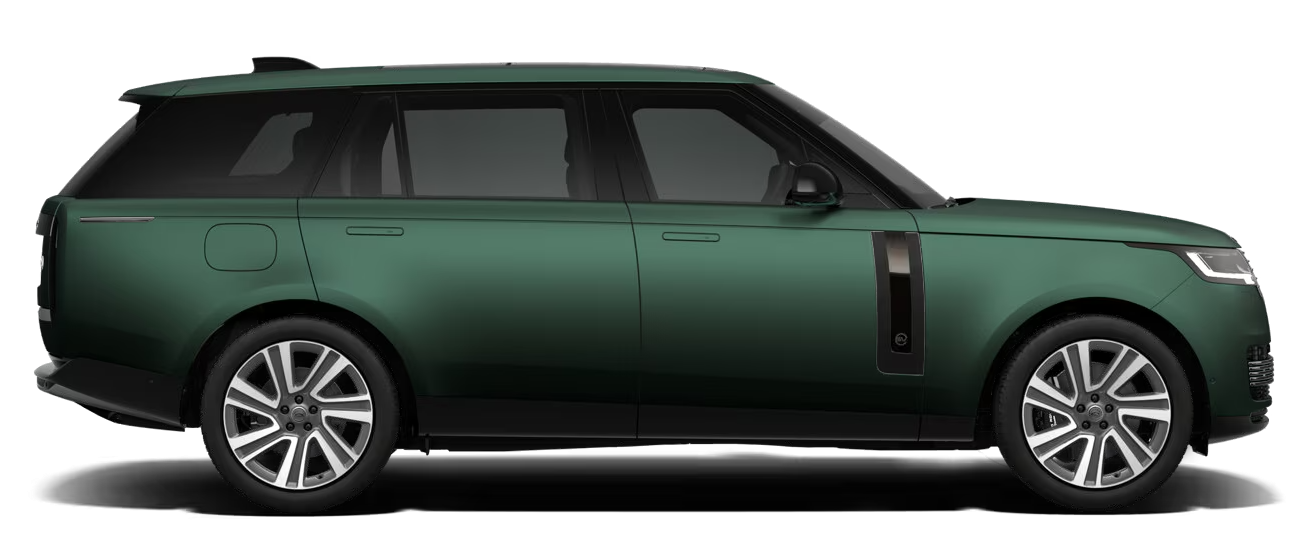
To negotiate a better price on a pre-owned luxury car, settle your walk-away number before you meet the seller, then justify every rupee you ask off with something you can show them: a service that falls due soon, worn tyres or brakes, an expired warranty, the insurance premium you will inherit, or the cost of moving the registration. Negotiate the total, transfer-ready price rather than the number on the listing. On a used BMW, Mercedes-Benz, Audi or Range Rover, the real room for negotiation usually sits in the costs the car will throw at you over the next year or two.
Why a used luxury car is negotiated differently
With a mass-market used hatchback, the odometer and the model year do most of the pricing work. With a luxury car, they don’t. Two five-year-old Mercedes E-Class sedans with the same mileage can be very different purchases if one is due tyres, brakes and a major service and the other has just had all three done at an authorised workshop. Parts and labour on these cars cost far more than on a mass-market car, so condition and upcoming maintenance move the true price more than a few thousand kilometres ever will.
There are also fewer comparable cars. You might find three listings for the exact variant you want across two cities, not thirty. That cuts both ways. The seller knows there aren’t many alternatives, but they also know there aren’t many buyers for a high-value used car either.
That is why haggling (“can you do better?”) gets you very little in this segment. Evidence gets you a lot.
Step 1: Build your price range before you call anyone
Do your homework on the market before you look at a specific car.
- Compare like with like. Same model, same variant, same fuel, and similar year and mileage. An M Sport or AMG Line car and a base variant are different cars on the used market, and so are pre-facelift and facelifted versions.
- Look beyond your city. Luxury car prices can vary between cities, and a car in a neighbouring city can set a useful reference even if you never buy it. Motozite’s pre-owned listings let you compare cars across cities in one place.
- Know the new-car price. Check the current ex-showroom price of the same model on the brand’s page (for example, BMW or Mercedes-Benz). A three-year-old car priced too close to a new one, after you add up insurance and registration on the new car with the on-road price calculator, is a weak buy.
- Write down your walk-away number. Literally write it. It is much easier to stick to a number you committed to before you sat in the car.
Step 2: Turn the inspection into a price list
This is where most of the money is. Get the car inspected by an authorised workshop of that brand or a specialist you trust, and ask for written findings with a cost estimate for each item. A written estimate from a brand workshop is very hard for a seller to argue with. Your opinion that “the tyres look worn” is easy to dismiss.
| What the inspection finds | What to negotiate |
| A major scheduled service due within the next few months | The estimated cost of that service, or ask the seller to have it done before delivery |
| Tyres with little tread left or close to their age limit | The cost of a new set. Large-wheel and run-flat tyres are expensive, and staggered sizes mean you can’t rotate them |
| Brake pads or discs close to their limit | The workshop’s quote for replacement |
| Factory warranty or service package expired | Factor in the cost of buying extended cover, where the brand offers it for a car of that age |
| Signs of repainting or panel repairs | A reduction proportionate to what the repair history suggests, and a closer look at whether you still want the car |
| Air suspension, electronics, or warning lights showing faults | A diagnosis and repair quote first. If the seller won’t fix it or price it in, walk away |
Two rules make this work. First, only ask for reductions you can back with a document or a quote. Second, add them up and present them once, as a total, not one item at a time. Drip-feeding small asks makes you look like you are hunting for a discount. One written list makes you look like a buyer who has done the maths.
Step 3: Negotiate the paperwork, not just the car
Several costs and obligations come with the transfer, and each one is negotiable.
Insurance and the no-claim bonus. The no-claim bonus (NCB) belongs to the policyholder, not the car. The seller keeps it when they sell, and Tata AIG’s guidance notes that the buyer pays the difference in premium that the NCB had been reducing. On an expensive car, that can be a noticeable sum. Ask what the current premium is, check how much of it was NCB discount, and include that cost in your offer. The insurance also has to be transferred to your name: SBI General’s guidance, citing Section 157 of the Motor Vehicles Act, puts the window at 14 days from purchase.
Registration transfer. The ownership transfer is done at the RTO where the car is registered, using Forms 29 and 30. Agree in writing who pays the transfer fees and any agent charges. Dealers sometimes bundle these into a documentation fee, so ask for an itemised figure.
Loans on the car. If the seller still has a loan on it, the financier’s consent is part of the transfer. Don’t pay the full amount until you know how and when the loan will be closed and the hypothecation removed from the registration certificate.
Out-of-state registration. A luxury car registered in another state is a real cost if you plan to keep it in yours. You will need a no-objection certificate from the original RTO, and you will have to re-register the car in your state, which means paying road tax there. SBI General’s guidance puts the re-registration deadline at 12 months after the move and notes that a refund may be claimed from the original state based on how long the car was used there. Get a figure from your RTO or a reliable agent before you negotiate, because on a high-value car this can be one of the biggest numbers on the table.
Step 4: Make the offer and hold your ground
- Negotiate in person, after the inspection. Phone and WhatsApp bargaining before you have seen the car only fixes a ceiling for you, not for the seller.
- Open with your evidence, then your number. Show the inspection list and quotes, then name a price that reflects them. Let the documents do the arguing.
- Ask for an all-in figure. From a dealer, ask for one number that covers the car, documentation, transfer, and any fees. Compare totals, not listed prices.
- Keep any trade-in separate. Agree the price of the car you are buying first. Mixing in your old car makes it hard to tell which side of the deal you are actually getting a good price on.
- Ask for things, not just money. A fresh service, new tyres or remaining service-package cover can be easier for a dealer to give than a straight cash reduction, and worth just as much to you.
- Be prepared to walk. Team-BHP members have made the same point for years: buyers who get emotionally attached to one car negotiate badly. If the numbers don’t work, another listing will come along.
Once you agree, put the price and every condition (what will be fixed, who pays transfer costs, when the loan will be closed) in writing before you pay a token amount, and get a receipt that states those conditions.
Dealer or private seller: what is actually negotiable
| Seller type | Where the room usually is | What to watch |
| Brand’s own approved pre-owned programme | Less on price; more on add-ons such as service packages, accessories or extended warranty | Pricing is often firmer because the car comes with the programme’s checks and cover |
| Independent luxury car dealer | Price, documentation charges, pre-delivery servicing and tyres | Get the dealer’s inspection findings in writing and still do your own |
| Private seller | Price and who pays transfer costs | No dealer backing, so the independent inspection and paperwork checks matter even more |
Mistakes that cost buyers money
- Paying a token amount before the inspection.
- Negotiating the EMI instead of the price. A lower monthly figure over a longer tenure can hide a worse deal.
- Forgetting the insurance difference from the seller’s NCB.
- Buying an out-of-state car without pricing the re-registration.
- Trusting a “certified” or “inspected” label without knowing who certified it and what was actually checked.
Where Motozite fits
Motozite is a marketplace. It lists new, demo, and pre-owned luxury cars from sellers across India, so you can compare prices, variants, and cities before you start negotiating. It does not own, inspect, or certify the cars listed, so the inspection, the paperwork, and the deal itself are between you and the seller. Browse pre-owned luxury cars on Motozite to build your price range, then use the steps above.
FAQs
How much discount can I get on a pre-owned luxury car in India?
There is no standard figure. The reduction you can justify depends on what the inspection finds and what the car will cost you in the next year or two, such as a due service, tyres, brakes, or an expired warranty. Buyers who present written quotes for those costs usually get further than those who simply ask for a lower price.
Is it better to buy a used luxury car from a dealer or a private seller?
Both can work. A brand’s approved pre-owned programme usually offers firmer pricing but comes with its own checks and cover, while independent dealers and private sellers often have more room on price. Whichever you choose, get an independent inspection and check the paperwork yourself.
Does the no-claim bonus transfer to me when I buy a used car?
No. The NCB belongs to the seller as the policyholder, not to the car. Insurers such as Tata AIG note that when the policy moves to your name, you pay the difference in premium that the seller’s NCB had been reducing, so factor that into your offer.
Who pays for the RC transfer on a used car?
There is no fixed rule, so agree it in writing before you pay. The transfer is done at the RTO where the car is registered using Forms 29 and 30, and dealers often include it in a documentation fee. Ask for that fee to be itemised.
What should I check before negotiating the price of a used BMW or Mercedes?
Check the full service history with the brand’s dealer, the remaining warranty or service-package cover, tyre and brake condition, any signs of repainting, and whether the car has a loan or is registered in another state. Get an authorised workshop or trusted specialist to put costs on anything that needs work.
Can I negotiate on an OEM-certified pre-owned luxury car?
Usually there is less room on the price itself, but you can often negotiate on extras. Ask about a fresh service, accessories, or an extended warranty and service package as part of the deal.
