
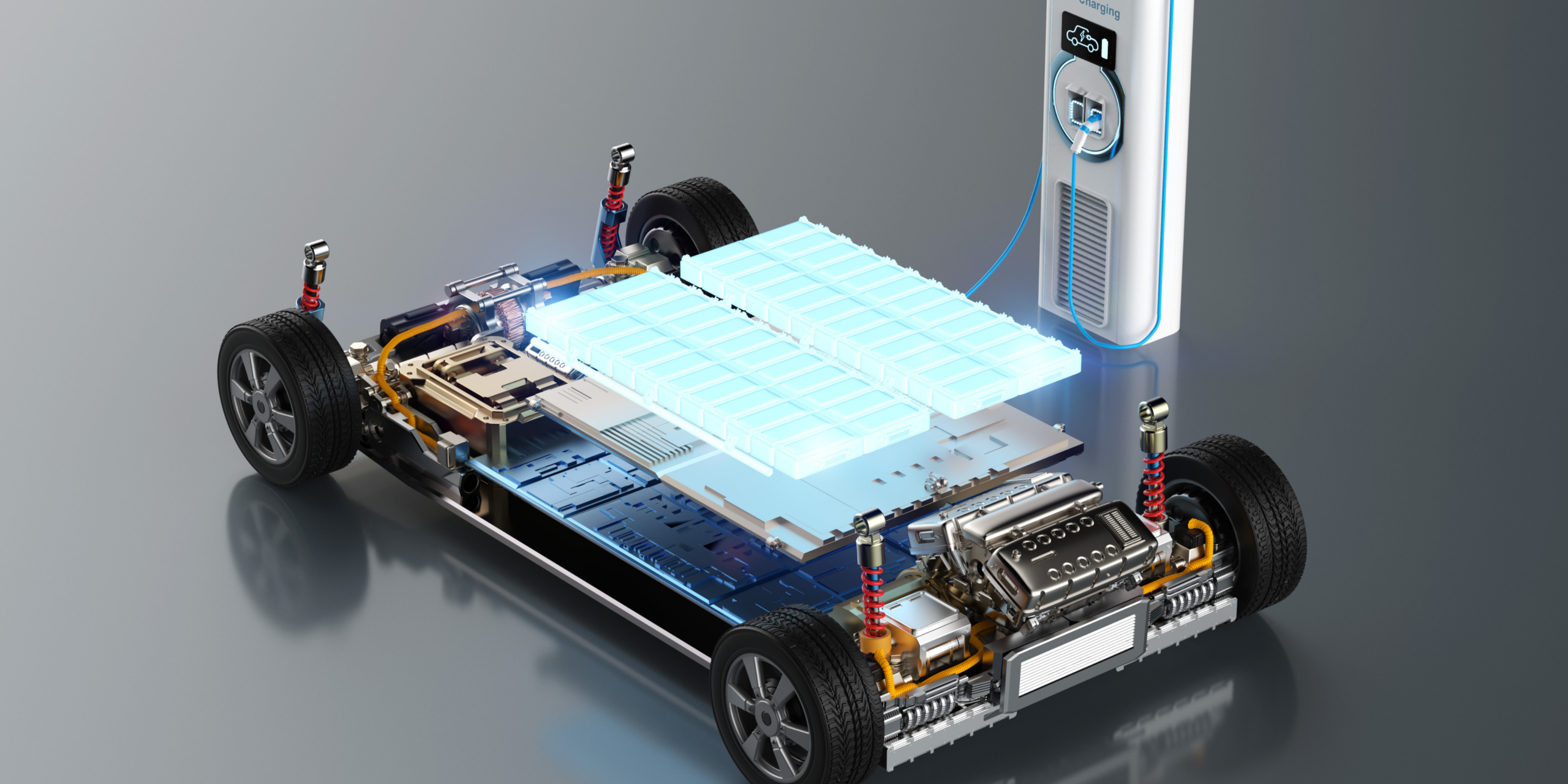
Luxury electric vehicles have redefined modern mobility. Combining cutting-edge technology, exhilarating performance, and sustainable engineering, premium EVs from brands such as Tesla, Mercedes-Benz, BMW, Porsche, Audi, and Lucid are setting new benchmarks for the automotive industry.
However, one concern continues to dominate conversations among EV owners and prospective buyers: battery longevity.
A luxury EV battery is not just its power source, it is the heart of the vehicle. Maintaining battery health directly impacts driving range, performance, resale value, and the overall ownership experience. While modern battery systems are engineered for durability, driving habits, charging routines, and environmental factors can significantly influence long-term battery life.
Here is the Motozite guide to maximizing battery longevity in luxury electric vehicles.
Why Battery Health Matters in Luxury EVs
Unlike conventional vehicles that rely on mechanical engines, EVs depend entirely on sophisticated lithium-ion battery packs. These batteries naturally degrade over time, reducing their ability to hold a full charge.
While most premium EV manufacturers offer battery warranties ranging from 8 to 10 years, preserving battery health helps owners maintain:
- Consistent driving range.
- Peak performance and acceleration.
- Faster charging efficiency.
- Higher resale value.
- Reduced long-term maintenance costs.
Most battery degradation is preventable with smart ownership practices.
1. Avoid Constant Fast Charging
DC fast charging is a convenience for long-distance travel, but relying on it daily can generate excessive heat within battery cells, accelerating wear over time.
Best Practices:
- Use home Level 2 charging for everyday needs.
- Reserve DC fast charging for road trips and emergencies.
- Follow manufacturer recommendations regarding charging frequency.
2. Maintain the Ideal State of Charge
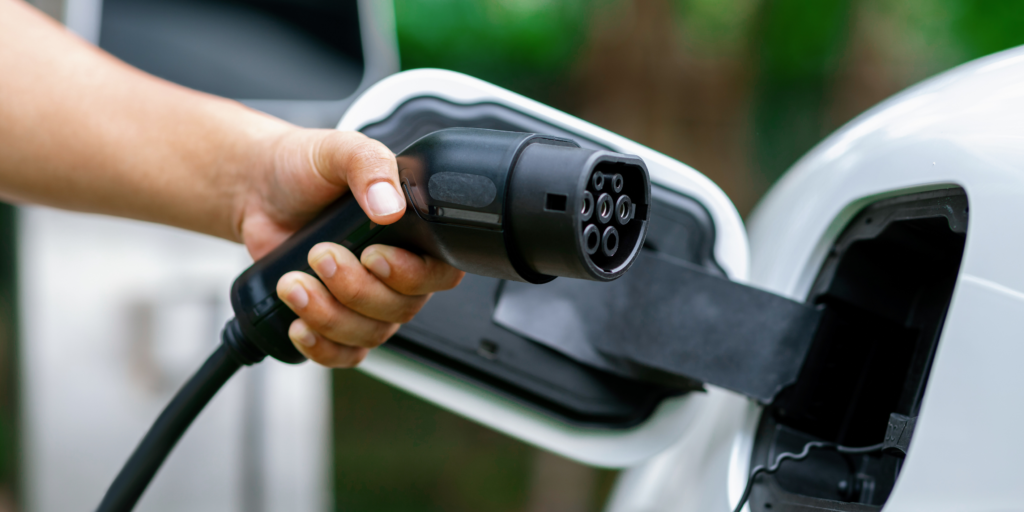
Regularly charging to 100 percent or allowing the battery to drop near 0 percent puts unnecessary stress on the cells.
Optimal Charging Range:
- For daily driving, experts recommend maintaining battery levels between 20 percent and 80 percent.
- Exceptions include long-distance journeys or occasional calibration cycles recommended by your vehicle manufacturer.
3. Protect the Battery from Extreme Temperatures
Temperature is one of the most critical factors affecting battery health. Extreme heat accelerates degradation, while severe cold temporarily reduces range and charging efficiency.
How to Protect Your Battery:
- Park in shaded or covered areas during hot weather.
- Use garage parking whenever possible.
- Precondition the battery before driving in cold climates.
- Avoid leaving the vehicle fully charged under direct sunlight for extended periods.
4. Use Scheduled Charging Features
Most luxury EVs allow you to schedule charging sessions. This enables the vehicle to reach its target charge level shortly before departure, which reduces the amount of time the battery sits at a high state of charge and improves temperature management.
5. Drive Smoothly and Efficiently
Aggressive acceleration places additional stress on battery systems.
Driving Habits for Battery Health:
- Use regenerative braking effectively.
- Avoid unnecessary rapid acceleration.
- Maintain consistent speeds on highways.
- Utilize Eco or Efficiency driving modes when appropriate.
6. Keep Software Updated
Luxury EVs are software-defined vehicles. Manufacturers frequently release over-the-air updates that optimize charging algorithms, range calculations, and battery cooling systems. Ignoring these updates means missing out on vital longevity improvements.
7. Avoid Long-Term Storage at High Charge Levels
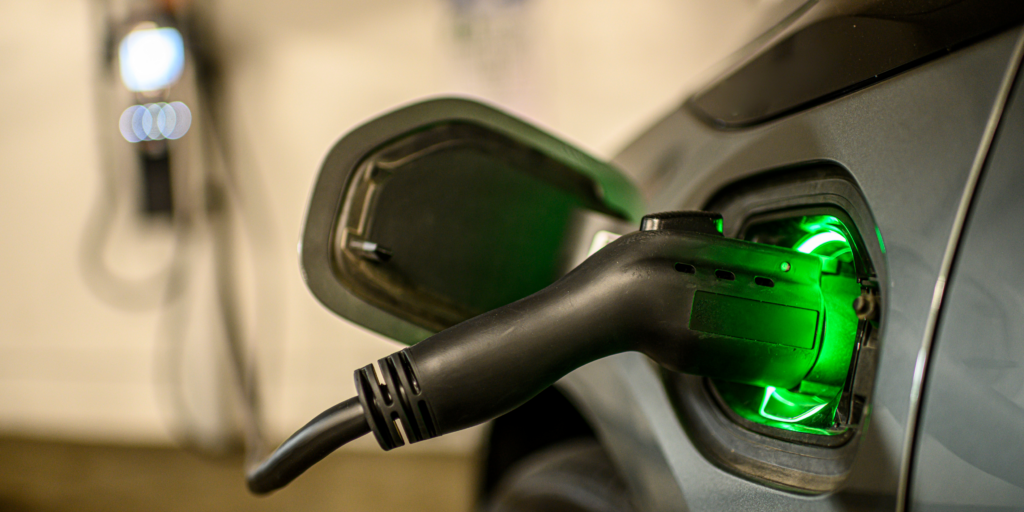
If a luxury EV will remain unused for several weeks, storage becomes essential. Leaving a battery at 100 percent for extended periods accelerates degradation.
Storage Recommendations:
- Maintain charge levels between 40 percent and 60 percent.
- Store the vehicle in a climate-controlled environment.
- Follow manufacturer-specific storage guidelines.
8. Take Advantage of Regenerative Braking
Regenerative braking converts kinetic energy into electricity, sending power back to the battery during deceleration. Mastering this feature not only extends your driving range but also reduces wear on traditional friction brakes and contributes to smoother energy recovery.
9. Monitor Battery Health Regularly
Modern luxury EVs provide extensive diagnostics through onboard systems and smartphone apps. Routinely monitor your battery health indicators, charging performance, and energy consumption trends. Detecting anomalies early allows for timely service interventions.
The Future of Luxury EV Battery Technology
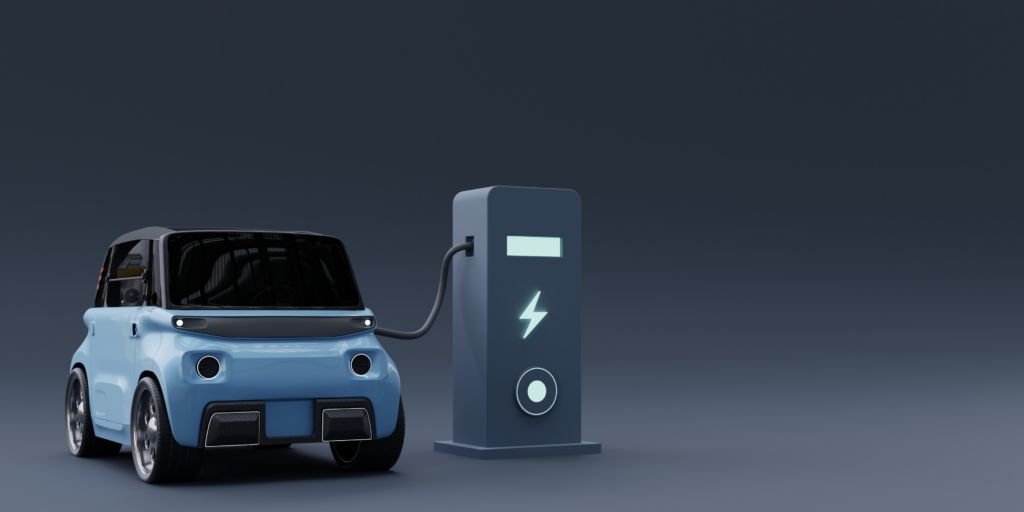
Battery innovation is advancing rapidly. Emerging technologies such as solid-state batteries and silicon-anode cells promise longer lifespans and greater energy density. While the industry continues to evolve, your everyday habits remain the most powerful tool for ensuring your current vehicle delivers peak performance for years to come.
Final Thoughts
Owning a luxury electric vehicle is about embracing the future of automotive excellence. While battery degradation is a natural process, it is manageable. By adopting smart charging practices, protecting your vehicle from temperature extremes, and utilizing the advanced technology built into your car, you can ensure your luxury EV remains a high-performance machine.
At Motozite, we believe that true luxury is about intelligence and maximizing the technology that powers your journey. Follow Motozite for more expert analysis, automotive insights, and the latest trends as we continue to track the rapid evolution of the luxury electric vehicle landscape.
