
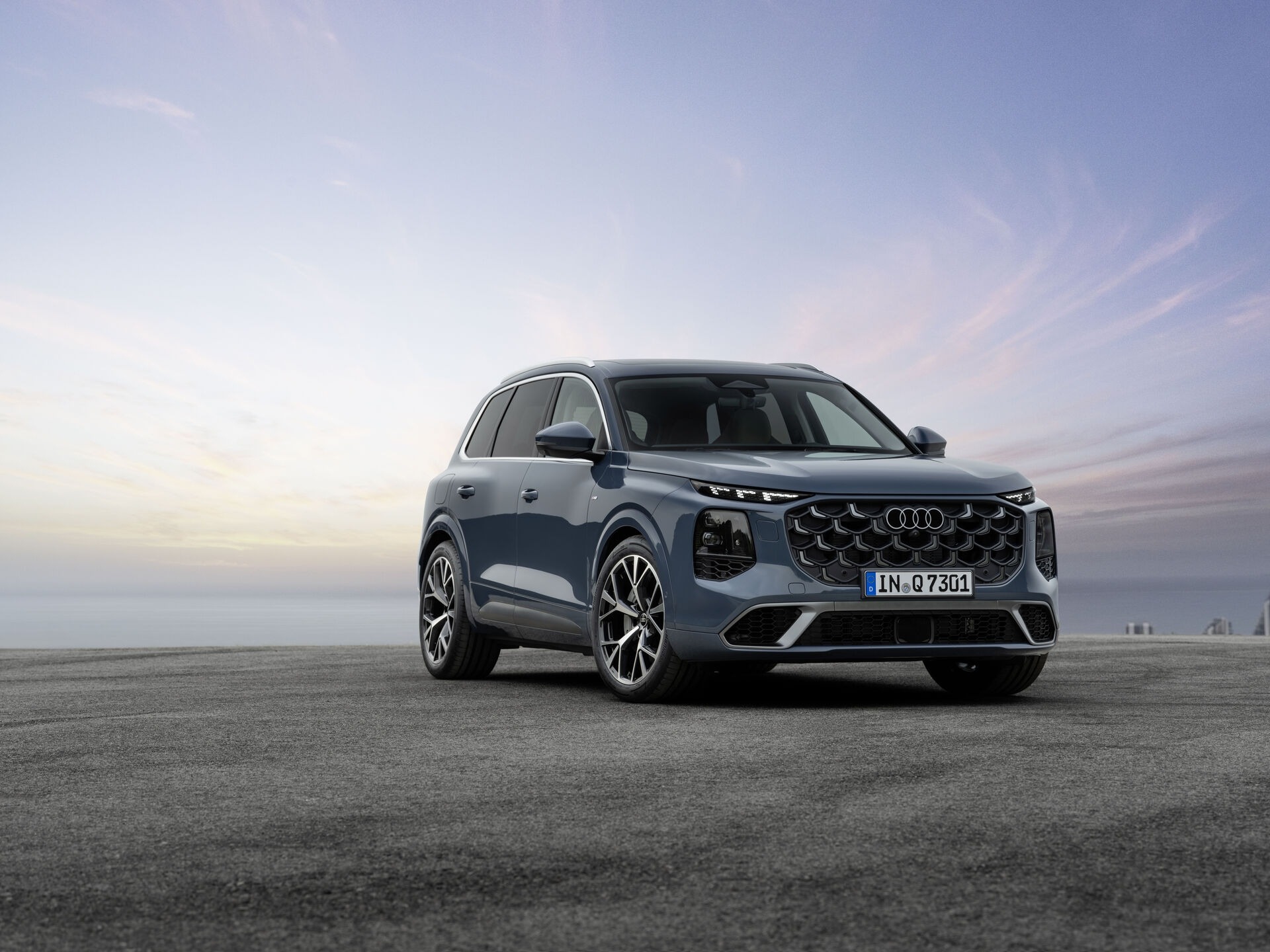
Luxury SUVs have become increasingly popular among Indian buyers who want a combination of road presence, comfort, performance, and practicality. Models such as the Mercedes-Benz GLE, BMW X5, Audi Q7, Lexus RX, and Land Rover Discovery offer a premium driving experience that is difficult to match with conventional cars.
However, the purchase price is only one part of the total cost of ownership. From fuel consumption and tyre replacement to insurance, maintenance, depreciation, and chauffeur-driven usage, several hidden expenses can significantly affect the real cost of owning an SUV in India.
This is particularly important when considering used luxury SUVs or pre-owned luxury cars, where an attractive purchase price may sometimes hide higher running costs. Understanding these expenses before buying can help you choose a vehicle that fits your lifestyle and long-term budget.
The Real Cost of Owning a Luxury SUV in India
Fuel Costs Can Add Up Quickly
Luxury SUVs are heavier and generally use larger engines than regular passenger cars. Even modern petrol and diesel powertrains can consume significantly more fuel, particularly in stop-and-go city traffic.
For buyers covering high annual kilometres, fuel efficiency should be an important consideration. A luxury diesel car can still make practical sense for frequent highway travel and long-distance driving. At the same time, petrol SUVs may be better suited to buyers who primarily use their vehicle for shorter urban journeys.
The difference becomes more noticeable when an SUV is used daily for office commutes, airport transfers, or chauffeur-driven travel.
Tyres and Brakes Are Expensive Consumables
One of the most overlooked SUV ownership costs is the replacement of tyres and brake components. Premium SUVs often come with large alloy wheels and performance-oriented tyres, which can be considerably more expensive than those fitted to mainstream cars.
Indian road conditions also make this an important consideration. Potholes, uneven surfaces, sharp speed breakers, and poorly maintained roads can accelerate tyre wear and increase the risk of wheel damage.
Before purchasing a luxury SUV, buyers should check the cost and availability of replacement tyres, brake pads, and other wear-and-tear components.
Maintenance Is More Than Just Scheduled Servicing
Routine servicing is only one part of maintenance. Luxury SUVs feature advanced electronics, sophisticated suspension systems, multiple sensors, and complex safety technology. Over time, components outside the regular service schedule may require attention.
This becomes particularly relevant with older pre-owned luxury SUVs. A lower purchase price does not necessarily mean lower ownership costs. Buyers should investigate the vehicle’s service history, previous usage, warranty coverage, and condition before making a decision.
A well-maintained example with a complete service record can often offer significantly better value than a cheaper vehicle with an uncertain history.
Hidden Costs Buyers Often Overlook
Insurance and Premiums
Insurance costs for luxury SUVs can be higher due to the vehicle’s purchase price and the cost of replacing sophisticated components. Optional accessories, expensive electronics, and advanced safety systems may also influence repair expenses after an accident.
When comparing vehicles, buyers should consider the annual insurance premium rather than focusing only on the initial purchase price.
Depreciation Can Affect Long-Term Value
Luxury vehicles generally experience significant depreciation, particularly during their first few years. While this can create attractive opportunities in the used luxury cars market, it also affects buyers who plan to sell their SUV after a relatively short ownership period.
Brand reputation, service history, mileage, condition, and demand in the pre-owned market can all influence resale value. A vehicle with strong after-sales support and a reliable ownership history may be easier to sell than an equivalent model with limited demand.
Chauffeur-Driven Usage Changes the Equation
For many luxury SUV buyers in India, the vehicle is not driven exclusively by the owner. Chauffeur-driven usage is common, especially among families and business users.
In such cases, rear-seat comfort, cabin space, ease of entry and exit, ride quality, and air-conditioning performance may matter more than outright acceleration. A spacious luxury SUV can be more practical for family travel, but frequent urban use can also increase fuel and maintenance costs.
Buyers should therefore evaluate how the vehicle will actually be used rather than choosing solely on brand or performance.
Luxury SUV vs Luxury Sedan: Which Makes More Sense?
The choice between a luxury SUV and a luxury sedan depends largely on lifestyle and road conditions.
An SUV typically offers better ground clearance, a commanding driving position, easier access, and greater practicality on India’s uneven roads. These advantages can be valuable for buyers who regularly travel between cities or drive on poorly maintained roads.
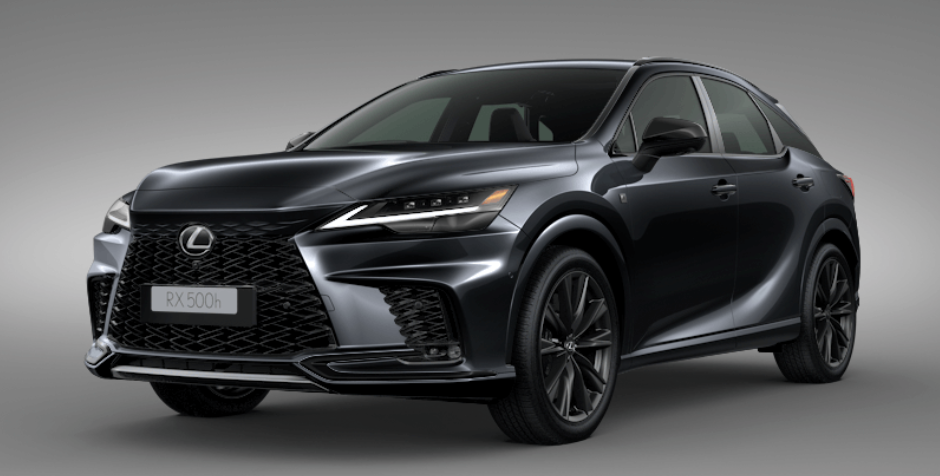
A luxury sedan, however, may provide better highway efficiency, a more comfortable driving experience, and lower tyre and fuel costs in certain configurations. For buyers who spend most of their time in urban areas with good roads, a sedan may deliver better overall value.
The right choice ultimately depends on annual mileage, road conditions, passenger requirements, and expected ownership period.
Also Read: Most Luxurious SUVs In The World For 2026
Buying Tips to Reduce SUV Ownership Costs
Before purchasing a luxury SUV, consider these factors:
- Calculate total ownership cost: Include fuel, insurance, servicing, tyres, brakes, and expected repairs.
- Check service history: This is especially important when buying a pre-owned luxury SUV.
- Inspect the tyres: Uneven wear can indicate suspension or alignment issues.
- Consider your annual mileage: High-mileage users should pay close attention to fuel efficiency.
- Choose the right powertrain: A diesel SUV may suit frequent highway users, while petrol options can work well for lower annual mileage.
- Think about resale value: Research how easily the vehicle can be sold in the pre-owned market.
- Match the SUV to your usage: Chauffeur-driven families may prioritise rear-seat comfort, while owner-drivers may value handling and performance.
Final Verdict
Owning a luxury SUV in India is about much more than paying the purchase price. Fuel, insurance, tyres, maintenance, depreciation, and unexpected repairs can all influence the actual cost of ownership. These expenses become even more important when evaluating used luxury SUVs, where the initial savings may be offset by future maintenance requirements.
The best approach is to assess the vehicle as a complete ownership package rather than focusing only on its badge or showroom price. For buyers comparing new and pre-owned options, Motozite can be a useful starting point for understanding the luxury car market and making a more informed purchase decision.
FAQs
1. Are Luxury SUVs Expensive to Maintain in India?
Luxury SUVs can have higher maintenance costs due to their advanced technology, larger components, sophisticated suspension systems, and premium parts. Regular servicing and proper maintenance can help owners manage these costs effectively.
2. How Much Does Fuel Efficiency Matter When Buying a Luxury SUV?
Fuel efficiency is an important consideration, particularly for buyers who drive long distances or use their SUV for daily commuting. Annual mileage and driving conditions can help determine which powertrain best suits an owner’s needs.
3. Is Insurance More Expensive for a Luxury SUV?
Insurance premiums for luxury SUVs can be higher because of their higher vehicle value and the cost of repairing or replacing advanced components. Comparing insurance costs before purchasing can help buyers plan their annual expenses.
4. What Should You Check When Buying a Used Luxury SUV?
Buyers should check the vehicle’s service history, maintenance records, mileage, tyre condition, warranty coverage, previous usage, and overall mechanical condition before purchasing a pre-owned luxury SUV.
5. How Can Buyers Reduce the Overall Cost of Luxury SUV Ownership?
Buyers can manage ownership costs by choosing a vehicle that matches their annual mileage and usage, maintaining it regularly, checking service history, comparing insurance, selecting the right powertrain, and considering long-term resale value before making a purchase.
