
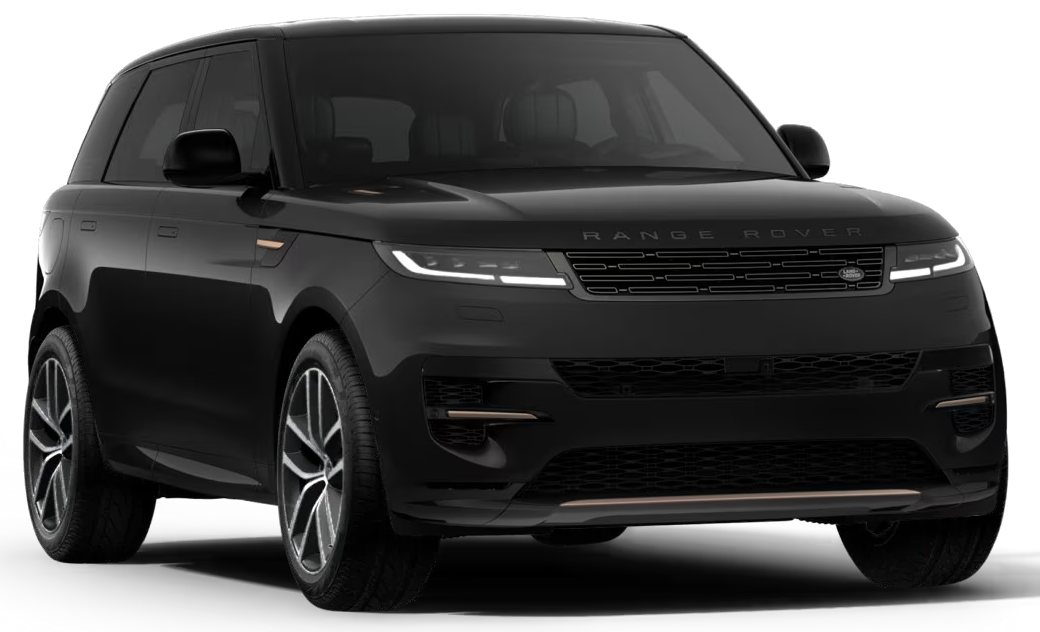
Luxury cars have always represented more than just performance and advanced technology—they reflect timeless craftsmanship, prestige, and thoughtful design. While today’s premium vehicles feature digital cockpits, electrified powertrains, and advanced driver assistance systems, many of their defining characteristics originate from decades-old automotive design philosophies. This is why classic car design continues to influence the appearance and character of modern luxury vehicles.
Luxury manufacturers rarely reinvent their identity with every new model. Instead, they refine iconic styling cues that have defined their brand for generations. From signature grilles and elegant proportions to premium interiors, these timeless elements help create vehicles that remain desirable long after trends have faded.
For Indian buyers exploring the luxury car market, understanding these design influences can help identify vehicles that not only look premium today but also retain their appeal for years to come.
What Makes a Classic Car Design Timeless?
Not every old car becomes a design icon. The most celebrated vintage luxury cars share certain qualities that continue to inspire modern designers.
Balanced Proportions
A long bonnet, clean roofline, and well-balanced stance create a sophisticated appearance that rarely goes out of style. These proportions give luxury vehicles an elegant presence without relying on excessive styling elements.
Distinctive Brand Identity
Luxury manufacturers build their reputation around recognizable design language. Whether it’s a signature grille, unique lighting design, or sculpted body lines, these details allow a vehicle to be identified instantly.
Premium Craftsmanship
Classic luxury cars were admired for meticulous attention to detail. High-quality materials, refined interiors, and carefully crafted finishes remain equally important in today’s luxury car design, even as technology becomes more advanced.
How Luxury Brands Preserve Their Design Heritage
Rather than abandoning their heritage, premium manufacturers continuously evolve their most iconic design elements.
Mercedes-Benz: Elegant Simplicity Never Ages
Few manufacturers have maintained a design philosophy as consistently as Mercedes-Benz. Modern models continue to feature clean body lines, refined proportions, and understated elegance that have defined the brand for decades.
Instead of following short-lived styling trends, the brand focuses on timeless sophistication. This approach ensures that many of its luxury sedans continue to look contemporary even after several years on the road—a quality that appeals to buyers seeking long-term ownership.
BMW: Evolving Without Losing Identity
One of the most recognizable features in automotive history is BMW’s kidney grille. While its size and detailing have evolved, the overall identity remains unmistakable.
Beyond the grille, BMW continues to emphasize sporty proportions, a driver-focused stance, and clean surfacing. These characteristics create a strong visual connection between older models and today’s premium lineup while maintaining a modern appearance.
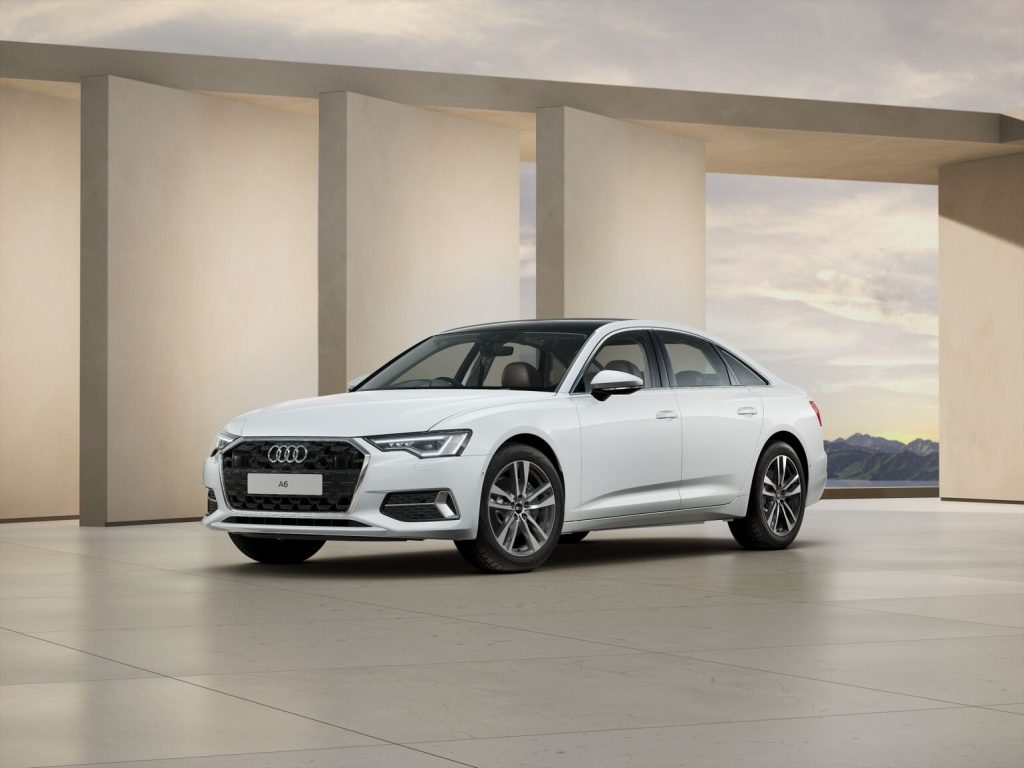
Audi: Minimalism Done Right
Audi has built its reputation around clean, understated styling. Instead of excessive design elements, the brand focuses on crisp character lines, balanced proportions, and sophisticated lighting.
This minimalist approach allows many Audi models to age gracefully, making them attractive choices for buyers who value subtle luxury over aggressive styling.
Land Rover: An Iconic SUV Silhouette
Luxury SUVs have evolved significantly, but Land Rover has remained remarkably consistent with its design language. The upright stance, floating roof, and strong proportions continue to define the brand while integrating modern technologies and improved aerodynamics.
This blend of heritage and innovation has helped establish Land Rover as one of the most recognizable names in the premium SUV segment.
Why Timeless Design Matters for Indian Luxury Car Buyers
For many buyers in India, purchasing a luxury sedan or luxury SUV is a long-term decision rather than a frequent upgrade. While features and technology are important, exterior styling plays a significant role in overall ownership satisfaction.
A vehicle inspired by classic car design often retains its premium appearance longer than one built around temporary styling trends. This becomes especially important for owners planning to keep their vehicle for several years, whether they choose a sophisticated luxury sedan or a commanding luxury SUV.
Timeless styling also complements chauffeur-driven usage, where elegance, comfort, and strong road presence enhance the ownership experience. Whether arriving at a business meeting or a family event, both luxury sedans and luxury SUVs with enduring designs continue to make a lasting impression.
Additionally, vehicles with timeless styling often enjoy stronger resale demand, as buyers tend to prefer luxury cars that still look contemporary despite their age. This makes classic-inspired design an important consideration when investing in a premium vehicle.
Heritage Meets Modern Innovation
Today’s luxury cars demonstrate that classic styling and modern technology can coexist seamlessly.
Manufacturers now combine traditional design principles with innovations such as:
- Large digital displays integrated into elegant dashboards
- Adaptive LED lighting
- Advanced driver assistance systems
- Connected infotainment platforms
- Hybrid and electric powertrains
- Premium ambient lighting and handcrafted interiors
Rather than replacing traditional luxury, these technologies enhance it while preserving the brand’s distinctive identity.
What Buyers Should Look for When Choosing a Luxury Car
Design is more than personal preference—it also affects long-term ownership value. Before making a purchase, consider these factors:
- Choose a vehicle with timeless proportions rather than trend-driven styling.
- Pay attention to interior craftsmanship alongside digital features.
- Evaluate how well the design is likely to age over the next five to ten years.
- Consider the vehicle’s road presence, especially if it will often be chauffeur-driven.
- Balance aesthetics with practicality, comfort, and everyday usability.
Luxury vehicles that successfully combine heritage with innovation typically remain desirable for much longer than those built solely around current design trends.
Why Classic Design Will Continue to Shape the Future
As the automotive industry transitions toward electrification, manufacturers are redesigning their vehicles while preserving their identity. Even all electric luxury models continue to incorporate signature styling elements that connect them with decades of automotive heritage.
This approach reassures buyers that although technology is evolving rapidly, the principles of great luxury car design remain unchanged. Elegance, craftsmanship, and strong brand identity continue to define premium vehicles just as they did generations ago.
The influence of vintage luxury cars is therefore unlikely to disappear. Instead, it will continue evolving alongside new technologies, ensuring that tomorrow’s luxury cars remain as visually compelling as today’s.
Final Verdict
Modern luxury cars may feature advanced technology and electrified performance, but many of their most admired characteristics originate from timeless automotive design. The continued influence of classic car design proves that true luxury isn’t about following trends—it’s about creating vehicles that remain elegant, desirable, and instantly recognizable for years to come.
Whether you’re comparing premium sedans or luxury SUVs, understanding how design heritage shapes today’s vehicles can help you make a more informed decision. If you’re exploring the latest luxury cars, comparisons, and ownership insights, Motozite is an excellent place to discover premium models and stay updated with the evolving world of luxury automobiles.
FAQs
1. Do modern luxury cars still use classic car design elements?
Yes, many premium manufacturers continue to incorporate timeless design cues such as signature grilles, balanced proportions, and premium craftsmanship while integrating modern technology and safety features.
2. Which luxury brands are most influenced by classic car design?
Brands such as Mercedes-Benz, BMW, Audi, and Land Rover continue to evolve iconic styling elements rather than completely redesigning their vehicles with every new generation.
3. Does timeless design improve resale value?
While resale depends on several factors, luxury cars with elegant, timeless styling often remain desirable for longer than vehicles built around short-lived design trends.
4. Are luxury SUVs influenced by classic automotive design?
Absolutely, modern luxury SUVs preserve traditional design characteristics such as commanding proportions, premium materials, and distinctive brand styling while offering advanced comfort and technology.
