
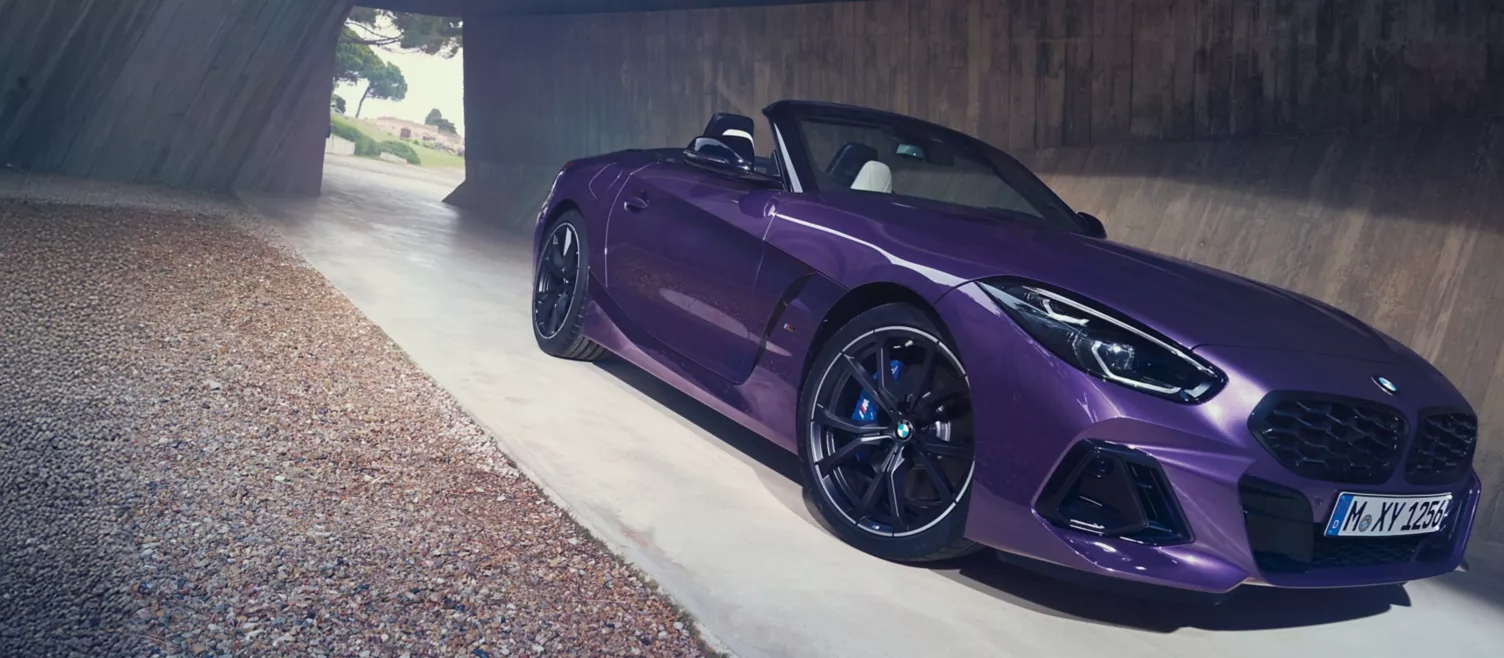
There is something different about driving with the roof down. The wind, the open sky, the sound of the engine without a cabin in between — it is one of the most enjoyable experiences a car can offer.
If you are thinking about adding a convertible to your garage, it is worth understanding how it fits into daily life, Indian weather, and long-term ownership. This guide walks you through what actually matters.
Soft Top or Hard Top: Which Should You Choose?
Convertible roofs come in two types, and the choice affects comfort, noise, and upkeep. Soft top roofs are made of fabric. They are lighter, fold away quickly, and give the car a classic, timeless look. Cars like the BMW Z4 and Mazda MX-5 use this style well.
Hard top roofs use solid panels, usually metal or composite. They feel closer to a regular car when closed, block out more road noise, and tend to hold up better over the years. Several Mercedes-Benz and Audi convertibles use retractable hard tops for exactly this reason.
Neither is “better” — it depends on how often you plan to drive with the roof down, and how much you value quiet over character.
Will It Work as a Daily Car in India?
Yes, with a few things in mind. Convertibles usually have smaller boots, since space is needed to fold the roof away. Some models also have tight rear seats or none at all. If you regularly carry passengers or luggage, take this into account before buying.
Indian roads also bring their own challenges — potholes, speed breakers, and dense traffic. Most modern luxury convertibles are built with adjustable suspension to handle this reasonably well, but it is worth taking a proper test drive on roads similar to your daily route, not just a smooth showroom stretch. If you mainly drive solo, with a partner, or for weekend trips, a convertible fits daily life easily. If it needs to double as a family car, it may feel limiting.
Can You Drive a Convertible in India’s Heat and Monsoon?
You can drive a convertible through every season — the roof simply needs to be in good shape. During the monsoon, keep the roof closed and check that the seals are tight. A worn seal is the most common reason water gets in, not the roof fabric or panels themselves.
In peak summer, an open roof under direct sun can get uncomfortable quickly. Most owners save the open-top drives for early mornings, evenings, or cooler months, and keep the roof closed and air conditioning on the rest of the time.
Does a Convertible Cost More to Maintain?
Slightly, yes. The roof mechanism has extra moving parts compared to a regular car, so it needs a bit more attention.
A few habits go a long way:
- Clean the roof regularly with products made for its material
- Check that it opens and closes smoothly, without unusual sounds or delays
- Get the seals inspected periodically, especially before monsoon season
Convertibles can also cost a little more to insure, since roof repairs and specialised parts are pricier than standard bodywork. It is worth asking your insurer for a clear breakdown before you buy.
Do Convertibles Hold Their Resale Value in India?
Convertibles tend to hold value differently from luxury sedans or SUVs, since demand depends on brand, model, and condition of the roof. Well-maintained convertibles from established luxury brands — BMW, Mercedes-Benz, Audi, Porsche — generally hold their value better than lesser-known models, simply because buyers trust the build quality and parts availability.
If resale matters to you, a full service history and a roof in excellent condition will do more for value than almost anything else.
What to Check Before You Buy
Take your time with this one — a convertible has a few extra things to inspect beyond the usual checklist.
- Open and close the roof yourself. It should move smoothly, without noise or hesitation.
- Look for water marks or damp smells inside, especially if the car is pre-owned.
- Ask for the full service history, with particular attention to the roof mechanism and seals.
- Check the usual essentials — tyres, brakes, lights, interior condition.
- Take a real test drive, roof up and roof down, ideally on roads you actually drive.
Also Read: Top 5 Convertible Luxury Cars to Buy in India in 2026
Final Thoughts
A convertible is one of the more rewarding cars you can own, as long as you go in with clear expectations — on space, on upkeep, and on how it fits your daily routine.
At Motozite, you can explore new, demo, and pre-owned luxury convertibles from leading premium brands, all in one place. Compare your options, check verified details, and find the one that fits how you actually want to drive.
FAQs
1. Can a convertible be used every day?
Yes. Convertibles can work well as daily cars, but check boot space, rear-seat room, comfort, and roof operation before buying. Some models are less practical for regular passengers or luggage.
2. Is a convertible safe?
Yes. Modern convertibles come with airbags, strong safety structures, stability control, and rollover protection. However, safety features vary by model, so always check the specific car’s safety rating and equipment.
3. Can I drive a convertible in the monsoon?
Yes. Keep the roof fully closed during rain and make sure the seals and drainage system are in good condition. Regular roof maintenance helps prevent leaks and water damage.
4. Are convertibles expensive to maintain?
They can cost slightly more than regular cars because of the roof mechanism, seals, and additional moving parts. Regular servicing and early repairs can help keep costs under control.
5. Soft top or hard top — which is better?
Both have advantages. Soft tops are lighter and offer a classic convertible feel, while hard tops are generally quieter and provide better insulation. Your choice should depend on comfort, usage, and maintenance preferences.
