
Luxury cars have always been associated with handcrafted materials, advanced technology, and exceptional comfort. However, over the past few years, one noticeable trend has redefined premium cabins—minimalist luxury cars. Instead of dashboards filled with dozens of buttons and flashy design elements, modern luxury vehicles now focus on clean layouts, intuitive technology, and thoughtfully designed spaces that prioritize comfort and usability.
This shift is more than just a styling preference. Buyers today expect their vehicles to feel as refined as their smartphones or luxury homes, where every feature has a purpose and every element contributes to a seamless experience. Leading manufacturers like Mercedes-Benz, BMW, Audi, Lexus, and Land Rover have embraced this philosophy, proving that simplicity can often feel more luxurious than complexity.
For Indian buyers, where luxury cars are used for everything from daily commutes to chauffeur-driven travel, minimalist interiors offer practical advantages that go well beyond aesthetics.
What Defines a Minimalist Luxury Car Interior?
Minimalism in automotive design is about removing unnecessary elements while enhancing the features that truly improve the driving and ownership experience. Rather than relying on excessive chrome accents, bulky centre consoles, or rows of physical buttons, today’s modern luxury interiors focus on clean lines, premium materials, and intelligent technology.
Common characteristics include:
- Large integrated digital displays
- Simplified dashboard layouts
- Hidden or seamlessly integrated air vents
- Premium materials with subtle finishes
- Ambient lighting that enhances the cabin
- Wireless connectivity and smart storage solutions
- Voice-controlled infotainment systems
The result is a cabin that feels spacious, elegant, and future-ready without appearing overdesigned.
Why Luxury Brands Are Moving Towards Minimalism
The evolution of luxury car design is closely tied to changing customer expectations. Modern buyers value convenience, technology, and timeless aesthetics over visual extravagance.
Technology Has Reduced the Need for Physical Controls
As infotainment systems become more advanced, manufacturers no longer need separate buttons for every function. Navigation, climate control, media, and vehicle settings can now be accessed through high-resolution touchscreens or intelligent voice assistants.
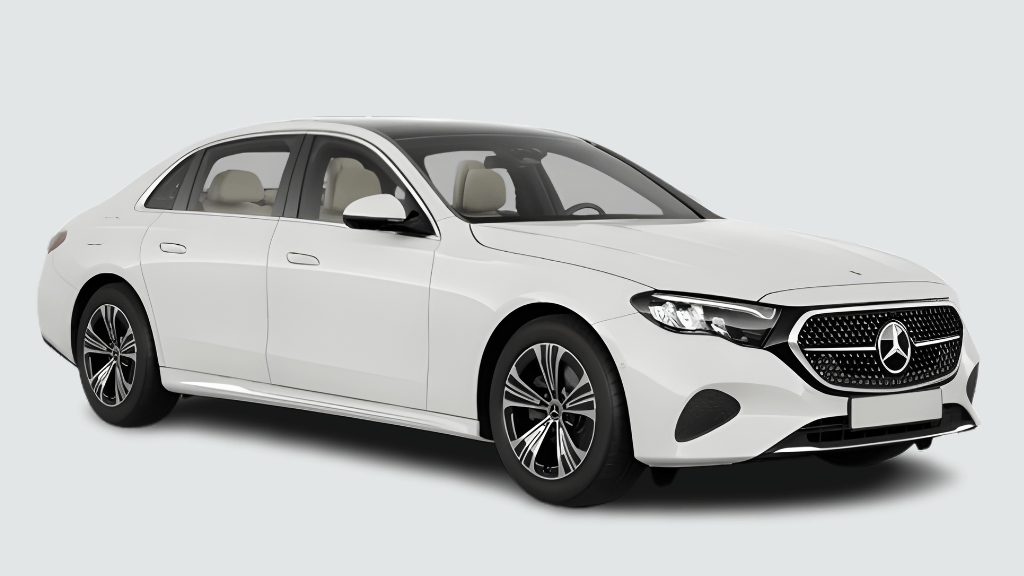
For example, the latest Mercedes-Benz E-Class integrates its MBUX system into a clean dashboard that reduces clutter while improving accessibility. Similarly, the BMW 5 Series combines digital displays with a driver-focused layout, ensuring technology enhances rather than overwhelms the driving experience.
Premium Materials Now Speak Louder Than Decoration
Luxury today is increasingly defined by craftsmanship rather than ornamentation. Instead of glossy finishes and excessive trim pieces, manufacturers are investing in soft-touch surfaces, open-pore wood, brushed aluminium, sustainable materials, and carefully designed ambient lighting.
This understated approach creates interiors that remain elegant even after years of ownership.
How Minimalist Interiors Improve Everyday Ownership
Minimalism is not just about appearance—it also delivers tangible benefits that buyers experience every day.
A More Spacious Cabin
Removing unnecessary design elements creates a stronger sense of openness. Whether you’re driving through busy city streets or spending hours on highways, a clean cabin feels more relaxing and less visually overwhelming.
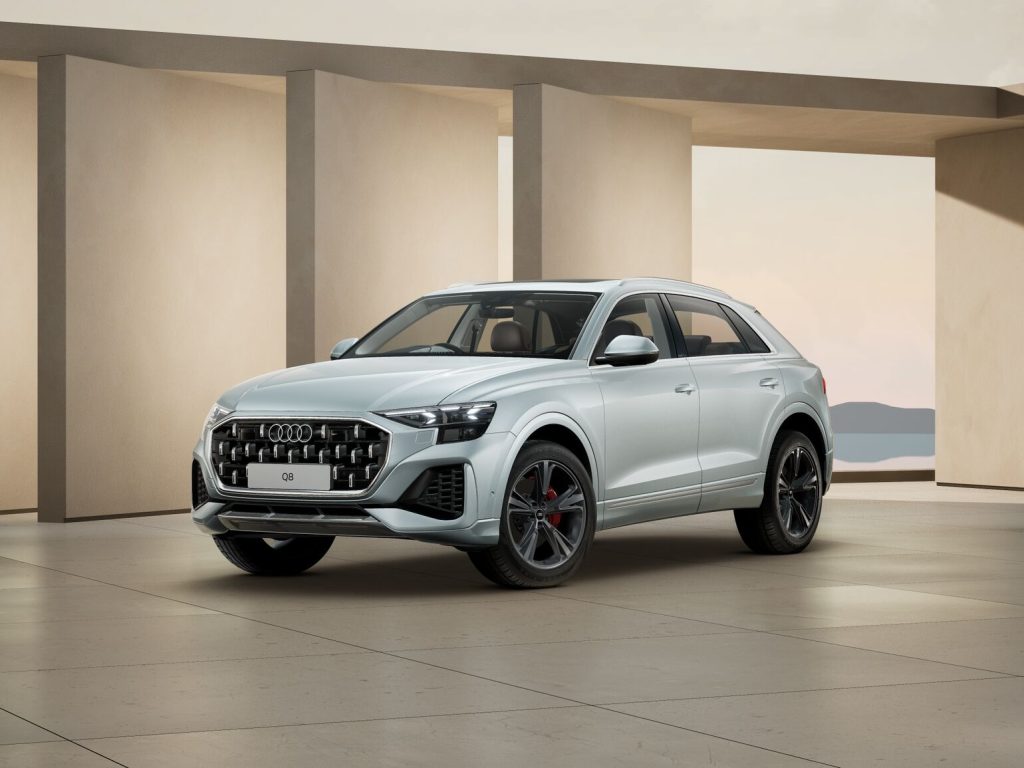
Luxury SUVs like the Audi Q8 demonstrate how thoughtful dashboard design can make the interior feel significantly larger without increasing the vehicle’s dimensions.
Better Driver Focus
Modern cabins are designed to reduce distractions. Instead of searching through dozens of buttons, drivers can quickly access essential functions through digital interfaces, steering-mounted controls, or voice commands.
This contributes to a safer and more intuitive driving experience, especially in heavy urban traffic where attention is crucial.
Enhanced Passenger Comfort
Many Indian luxury car owners prefer chauffeur-driven travel. Minimalist interiors create a lounge-like atmosphere that enhances rear-seat comfort by reducing visual clutter and emphasizing space, lighting, and premium seating.
Models such as the Lexus RX highlight how a refined cabin can make long-distance journeys more enjoyable for both drivers and passengers.
Why Indian Buyers Are Embracing Modern Luxury Interiors
Luxury car ownership in India has evolved beyond making a statement. Buyers now seek vehicles that offer everyday practicality alongside premium features.
Minimalist cabins complement this shift by offering:
- Easier maintenance with fewer exposed controls
- Cleaner cabin aesthetics that age gracefully
- Better integration of connected car technology
- Improved storage and cabin organization
- A quieter and more relaxing driving environment
These qualities make minimalist interiors particularly appealing for professionals, business owners, and families who spend significant time on the road.
Luxury Car Design Is Becoming More Future-Ready
As connected technologies continue to evolve, minimalist cabins provide the ideal foundation for future innovations.
Software updates, AI-powered assistants, digital personalization, and advanced driver assistance systems can all be integrated without redesigning the cabin. Instead of constantly adding physical components, manufacturers can improve the ownership experience through software enhancements.
Vehicles like the Range Rover Velar showcase this direction by combining clean design with sophisticated digital functionality, ensuring the cabin remains relevant as technology advances.
Buying Tips: Choosing a Luxury Car with a Minimalist Interior
If you’re considering a premium vehicle, don’t judge the interior solely by the size of its screens. A truly well-designed cabin balances technology with usability.
When comparing luxury cars, pay attention to:
Ease of Technology
Test how quickly you can access commonly used features such as navigation, climate controls, and media functions.
Cabin Quality
Look beyond visual appeal and examine material quality, fit and finish, seat comfort, and overall craftsmanship.
Rear-Seat Experience
If the vehicle will often be chauffeur-driven, evaluate rear-seat space, comfort, climate controls, and ease of entry.
Long-Term Appeal
Minimalist interiors generally age better than heavily styled cabins, making them more satisfying to own over several years and potentially more attractive in the pre-owned market.
The Future of Premium Cabin Design
As electric mobility and connected technologies continue to shape the automotive industry, minimalist interiors are expected to become the standard rather than the exception.
Future luxury car design will likely place even greater emphasis on sustainable materials, personalized digital experiences, intelligent voice interaction, and seamless integration between software and hardware. Rather than adding more features, manufacturers will focus on making every feature smarter, more intuitive, and easier to use.
This evolution reflects a broader understanding of luxury—one that values thoughtful design, everyday comfort, and effortless functionality over unnecessary complexity.
Final Verdict
The growing popularity of minimalist luxury cars shows that premium automotive design is moving towards simplicity with purpose. Clean dashboards, intuitive technology, premium materials, and spacious cabin layouts are redefining what buyers expect from a luxury vehicle. Instead of overwhelming occupants with countless controls, today’s modern luxury interiors deliver a refined experience that feels elegant, practical, and future-ready.
For Indian buyers, this design philosophy offers clear advantages, whether the car is driven daily through city traffic or used primarily for chauffeur-driven travel. When evaluating your next luxury vehicle, it’s worth looking beyond performance figures and considering how the cabin enhances comfort, usability, and long-term ownership. At Motozite, you’ll find detailed insights and comparisons that help you choose a luxury car that delivers both premium design and real-world practicality.
