
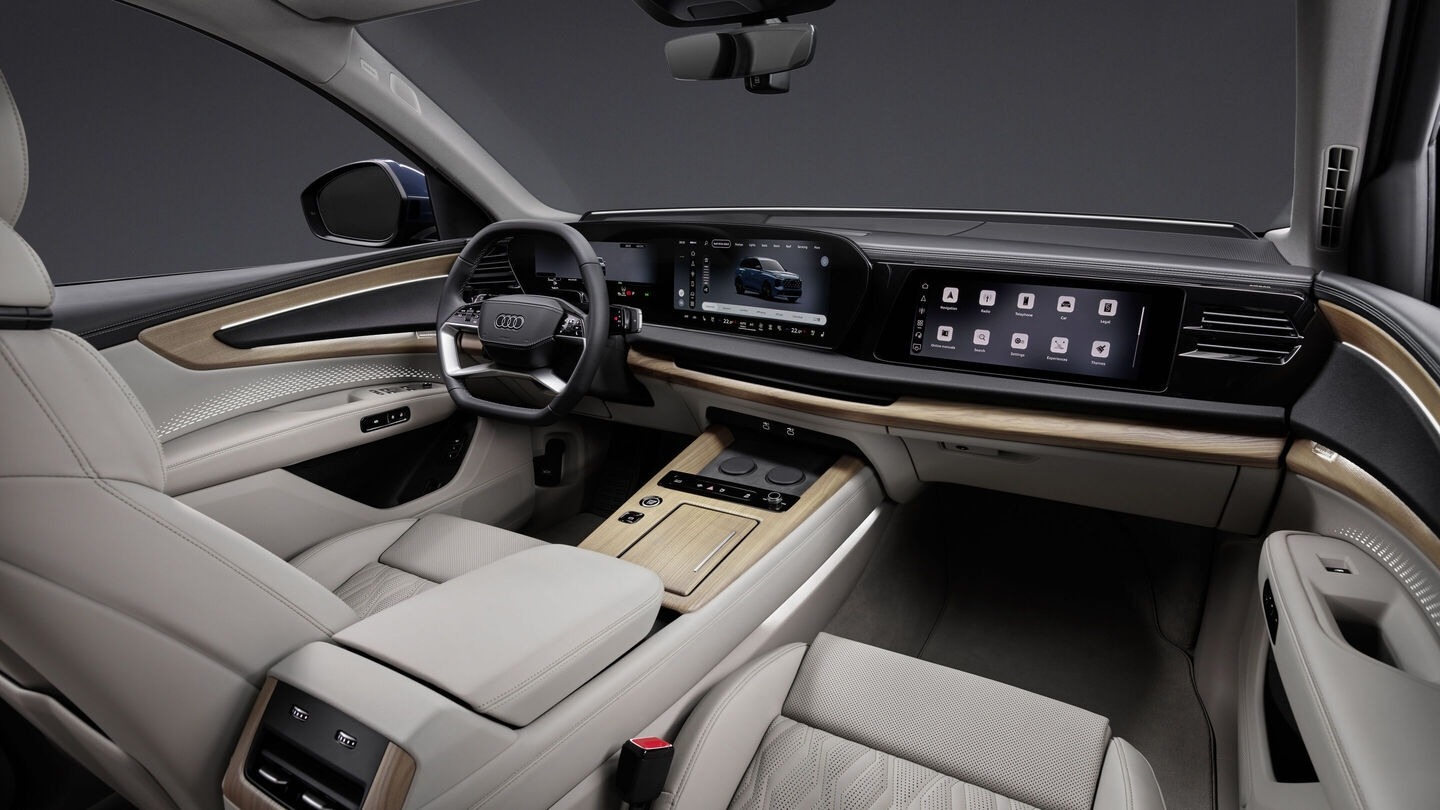
Luxury car interiors have evolved dramatically over the past two decades. What was once a dashboard packed with physical buttons, rotary dials, and analogue gauges has transformed into a sophisticated digital cockpit powered by touchscreen car technology. Today’s premium vehicles combine cutting-edge technology with refined craftsmanship, creating cabins that are smarter, cleaner, and more intuitive than ever before.
For Indian luxury car buyers, the interior has become just as important as engine performance or exterior styling. Whether the vehicle is driven daily through city traffic or primarily chauffeur-driven on highways, modern cabin technology significantly influences comfort, convenience, and the overall ownership experience.
But has replacing traditional controls with touchscreens made luxury cars better?
Let’s explore how luxury car interiors have evolved and what buyers should consider before choosing their next premium vehicle.
How Luxury Car Interiors Have Changed
The transformation of car interiors has been driven by advancements in digital technology, connectivity, and customer expectations.
The Era of Physical Buttons
Luxury cars from the early 2000s featured dashboards filled with dedicated controls for almost every function. Climate control, audio settings, navigation, and seat adjustments all had their own switches or knobs.
This design offered several practical advantages:
- Easy operation without taking your eyes off the road
- Tactile feedback for frequently used controls
- Simple learning curve for drivers
- Reliable functionality over long-term ownership
Many driving enthusiasts still appreciate physical controls because they allow quick adjustments, especially while navigating busy Indian roads.
The Shift Towards Digital Cockpits
As automotive technology advanced, manufacturers began replacing multiple buttons with larger infotainment screens and customizable displays across both luxury sedans and luxury SUVs. Modern vehicles now feature integrated digital ecosystems that seamlessly combine entertainment, navigation, vehicle settings, and connectivity into a single interface.
A digital car dashboard allows drivers to manage navigation, climate control, smartphone connectivity, entertainment, and advanced driver assistance features from one central display. Whether you’re behind the wheel of a premium sedan designed for executive comfort or a luxury SUV built for versatility, these digital cockpits deliver a more intuitive and connected driving experience. This evolution has not only modernized cabin design but also enabled manufacturers to roll out software updates and introduce new features without significant hardware changes.
Why Touchscreen Car Technology Became the New Standard
Today’s buyers expect their vehicles to deliver an experience similar to premium smartphones. As a result, touchscreen car technology has become a defining feature of modern luxury vehicles.
Instead of adding more buttons for new features, manufacturers now integrate everything into intelligent infotainment systems.
For example:
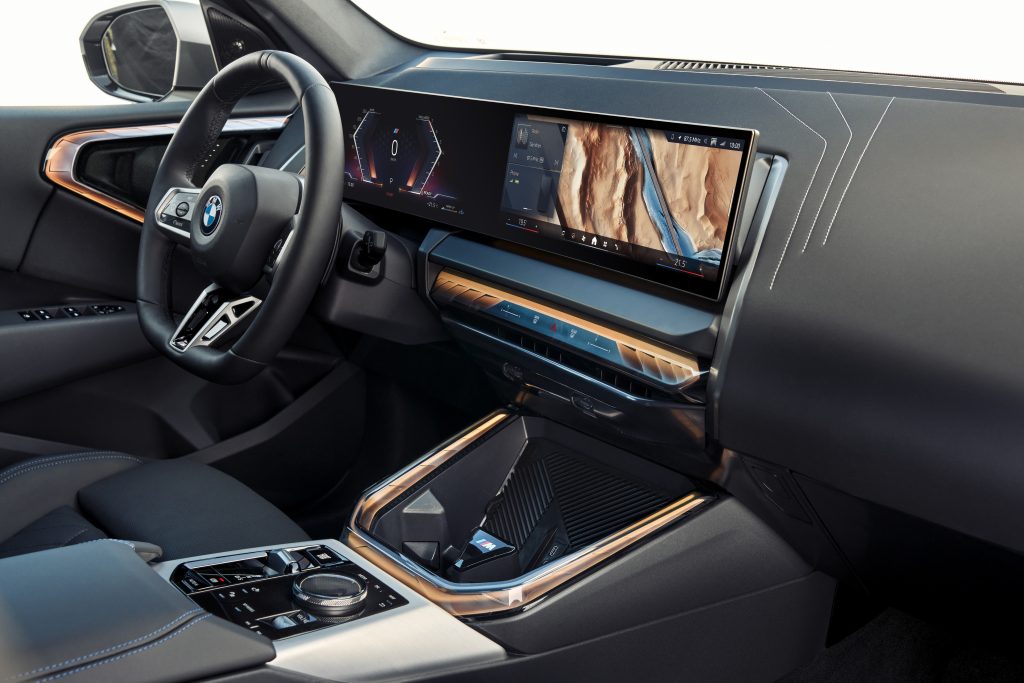
- Mercedes-Benz offers expansive digital displays paired with voice-controlled functions and advanced personalization features.
- BMW combines touchscreen functionality with its signature rotary controller, giving drivers multiple ways to interact with the vehicle.
- Audi continues to impress with its Virtual Cockpit, replacing conventional instrument clusters with high-resolution digital displays.
These systems create cleaner dashboards while improving navigation, connectivity, and driver interaction.
What Makes Modern Luxury Car Interiors Better?
Luxury car interiors today are designed to deliver a premium experience that goes beyond aesthetics.
Minimalist Yet Premium Design
Removing dozens of buttons creates a sleek and uncluttered dashboard. High-quality materials, ambient lighting, and seamless screen integration give cabins a sophisticated appearance that buyers expect in the luxury segment.
Smarter Connectivity
Modern luxury car infotainment systems now include features such as:
- Wireless Apple CarPlay
- Android Auto
- Connected navigation
- Voice assistants
- Wireless charging
- Over-the-air software updates
These technologies improve convenience while keeping the vehicle future-ready.
Greater Personalisation
Today’s premium cars allow drivers to customise nearly every aspect of the cabin, including:
- Digital instrument cluster layouts
- Ambient lighting colours
- Seat memory profiles
- Climate preferences
- Driving modes
This level of customization enhances both comfort and ownership satisfaction.
Do Physical Buttons Still Have a Place?
Despite the rise of digital interfaces, physical controls remain important for everyday usability.
Functions such as:
- Air conditioning
- Audio volume
- Hazard lights
- Drive mode selection
are often quicker and safer to operate using dedicated buttons rather than navigating touchscreen menus.
Many automotive experts believe the best luxury car interiors combine physical controls with digital technology, offering convenience without distracting the driver. Several manufacturers are now adopting this balanced approach after listening to customer feedback.
Also Read: What Makes a Luxury Car Cabin Feel Truly Premium in India
What Indian Luxury Car Buyers Should Consider
Technology should enhance the ownership experience—not complicate it. Indian buyers have unique priorities that influence which interior features matter most.
Rear-Seat Comfort Matters
Many premium vehicles in India are chauffeur-driven. Models like the Mercedes-Benz S-Class and BMW 7 Series place significant emphasis on rear-seat comfort with executive seating, advanced climate control, and entertainment features.
Practicality for Daily Driving
Indian roads and traffic conditions require drivers to make frequent adjustments to navigation, climate settings, and media controls. A cabin that combines touchscreen car technology, steering-mounted controls, and voice commands offers greater convenience than one relying solely on touchscreen menus.
Long-Term Technology Reliability
Luxury buyers should also evaluate:
- Software responsiveness
- Display quality
- Ease of updates
- Service network support
- Overall infotainment stability
A premium cabin should remain reliable and intuitive throughout years of ownership.
The Future of Luxury Car Interiors
The next generation of luxury car interiors will continue evolving beyond larger screens.
Artificial Intelligence
Voice assistants are becoming more conversational, allowing drivers to control multiple vehicle functions using natural speech.
Sustainable Cabin Materials
Luxury brands are increasingly using recycled materials, eco-friendly upholstery, and responsibly sourced finishes while maintaining premium quality.
Immersive Digital Experiences
Future vehicles are expected to feature panoramic displays, augmented reality head-up displays, and even more advanced digital cockpit technologies that improve both convenience and safety.
Wellness-Focused Cabins
Air purification systems, fragrance diffusers, adaptive ambient lighting, and massage seats are becoming increasingly common in premium vehicles, creating a more relaxing travel experience.
Buying Tips: Choosing the Right Luxury Car Interior
When comparing premium vehicles, don’t judge an interior solely by the size of its touchscreen.
Instead, consider the following:
- Test how responsive the infotainment system feels.
- Check whether frequently used controls are easy to access.
- Ensure smartphone connectivity works seamlessly.
- Evaluate rear-seat comfort if chauffeur-driven travel is common.
- Consider software support and long-term reliability.
- Pay attention to cabin materials, ergonomics, and overall build quality.
The best luxury car cabin is one that combines advanced technology with everyday practicality.
Final Verdict
The evolution from button-filled dashboards to intelligent digital cockpits has completely transformed luxury car interiors. While touchscreen car technology has introduced greater connectivity, personalization, and convenience, the most successful premium vehicles continue to balance innovation with ease of use.
Buyers should look beyond screen size and focus on how well the technology integrates into their daily driving experience, especially considering Indian road conditions and ownership needs. Whether you’re exploring a refined sedan from Mercedes-Benz, a driver-focused model from BMW, or a technology-rich offering from Audi, understanding these interior advancements will help you make a smarter buying decision. For more premium car comparisons, buying guides, and automotive insights, explore the latest expert content on Motozite.
